
























By Bridget Sullivan, PA-C, Coastal Skin Surgery and Dermatology

Have you seen a tick recently? Now that the summer is here, people are spending more time outdoors and as a result, it is not uncommon to have a tick encounter. Understanding how to reduce your chances of getting a tick bite and what to do if one occurs can help reduce the risk of tick-borne illnesses.
What Are Ticks?
There are many different types of ticks. Ticks are small, blood-feeding parasites related to spiders and mites. They are commonly found in wooded areas, tall grass, and weeds. Ticks attach to humans and animals to feed on blood and may transmit disease-causing bacteria, viruses, or parasites during the process.
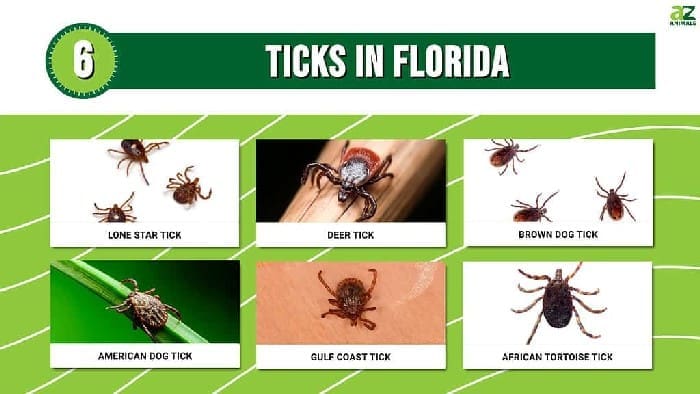
Several tick species are found throughout the United States, including the Lone Star tick, American dog tick, Gulf Coast tick, and Blacklegged (deer) tick. While not every tick carries disease, some can transmit infections such as ehrlichiosis, Rocky Mountain spotted fever, Lyme disease, and other tick-borne illnesses.
According to the CDC, tick bites are on the rise in 2026. Therefore, I want to share the following information recommended by the Cleveland Clinic, the Center for Disease Control, and Science Insights on preventing tick bites, what to do after a tick has bitten you, and when to seek treatment.
Preventing Tick Bites
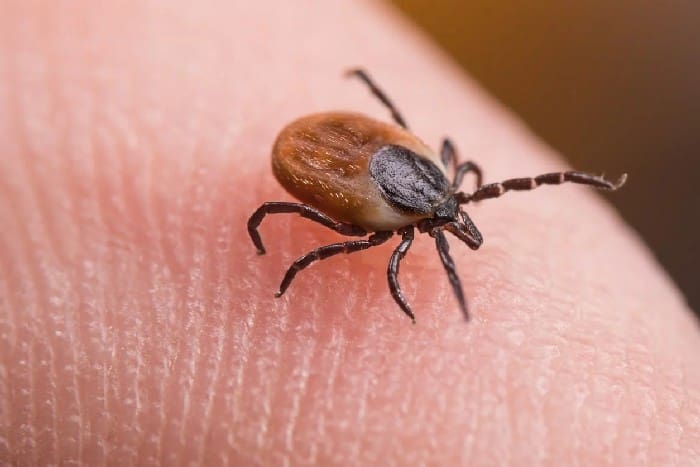
The best defense against tick-borne disease is preventing tick bites before they occur. Below are some things you can do to avoid ticks while outdoors in tick-prone areas:
- Wear long-sleeved shirts tucked into long pants.
• Tuck pant legs into socks when walking through tall grass or wooded areas.
• Use insect repellents containing Deet.
• Walk on established paths to avoid wooded areas and tall vegetation.
• Following outdoor activity, perform a full-body tick check, including your scalp.
• It also helps to shower, which can remove ticks that are not yet firmly attached.
Cleveland Clinic (2026, March).
https://health.clevelandclinic.org/how-you-can-protect-yourself-against-ticks-and-lyme-disease
What to Do After a Tick Bite
According to the CDC, if a tick is attached to your skin, remove it as soon as possible, using fine-tipped tweezers to grasp the tick close to the skin’s surface. Pull upward with steady, even pressure. Don’t twist the tweezers as this may result in the body of the tick breaking from the attached head, mouth part of the tick. If this occurs, you can use the tweezers to remove the head/mouth part. Do not use petroleum jelly, heat, or nail polish to attempt to remove or kill the tick.
After removal:
- Wash the bite area with soap and water.
- Clean the area with alcohol if available.
- Wash your hands thoroughly with soap and water or hand sanitizer.
- Monitor for symptoms over the following days and weeks.
Center for Disease Control and Prevention (2026, June). https://www.cdc.gov/ticks/index/html
When to Seek Medical Attention
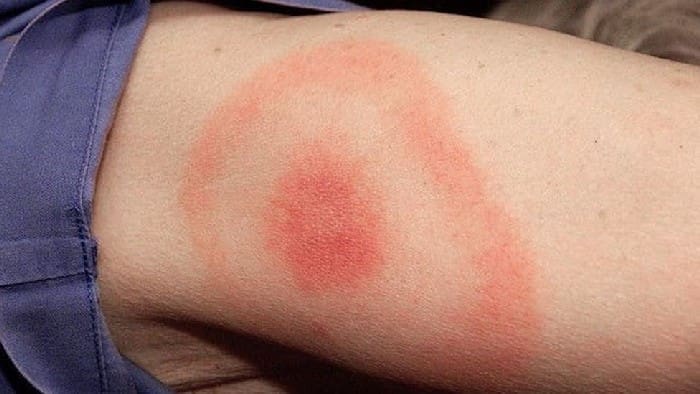
Medical evaluation is recommended if the tick was attached for more than twenty-four hours. Medical attention is also necessary if symptoms develop after a tick bite. A small red bump is common at the site of the bite. However, symptoms to watch out for include:
- Fever or chills
• Headache
• Fatigue
• Muscle or joint aches
• Enlarging rash
• Swollen lymph nodes
• Flu-like symptoms
Lyme disease is an infection associated with certain forms of ticks. The risk of transmission increases with the length of time the tick is attached. Therefore, removing the tick early is very important. When caught early, Lyme disease is easily curable with a round of antibiotics. If treatment is delayed, Lyme disease can be serious and affect multiple parts of your body. If you have any questions about a rash or tick bites that won’t go away, do not delay treatment.
Continue to watch for any of the above symptoms for several weeks after being bitten. https://scienceinsights.org/what-to-watch-for-after-a-tick-bite-a-timeline (2026, March)
Enjoy the Outdoors Safely
Ticks are a natural part of the environment, but simple preventive measures can significantly reduce the risk of bites and tick-borne disease. By taking precautions while in areas where ticks are prone to live, using repellents, performing regular tick checks, and seeking prompt medical attention when symptoms occur, individuals and families can safely enjoy outdoor activities throughout the year.
 RSS
RSS