




















Astronaut Winston Scott talks Space Exploration, Kennedy Space Center Visitor Complex Summer Events, and why Space Tourism is coming faster than we think.
By Paul Bonnette
Fifty years ago, as Americans celebrated their bicentennial with fireworks, parades, traveling museums and community festivals, they were also celebrating a major leap in space exploration. On July 20, 1976, the space probe Viking 1 touched down on Mars and sent back the first photos of the Red Planet. Shortly after, NASA publicly unveiled its first space shuttle, the Enterprise, paving the way for reusable spacecraft. So it’s no coincidence that as America now celebrates its 250th anniversary, space exploration has kicked into a new gear — a fact not lost on former NASA astronaut and retired Navy captain Winston Scott, who sat down with Life Media last month on a stop through Panama City.
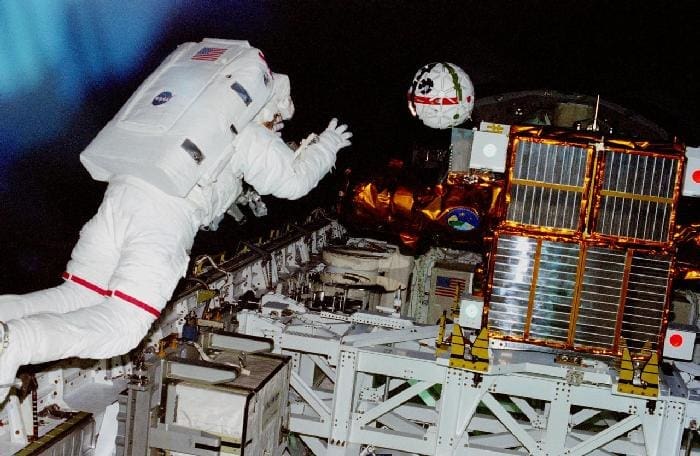
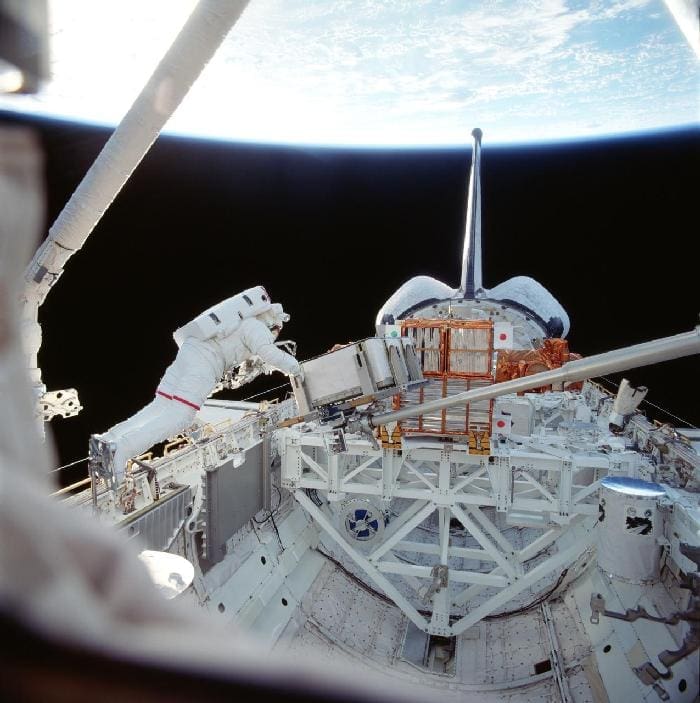
Captain Scott has flown two space missions, logged over 24 days in orbit, completed three spacewalks, and played a key role in the manual capture and retrieval of a malfunctioning satellite. He served as mission specialist on STS-72 Endeavour in 1996 and STS-87 Columbia in 1997, and he’s watched the rise of private spaceflight companies like SpaceX and Blue Origin with real enthusiasm.
“I love it,” Scott says. “I like the fact that we’re going back to the moon, that we’ve developed new rockets, Artemis, the Orion capsule, and the crew. There’s always a part of you that says, ‘I’d like to go do that,’ but I’m proud and happy for the astronauts who are doing those things.”

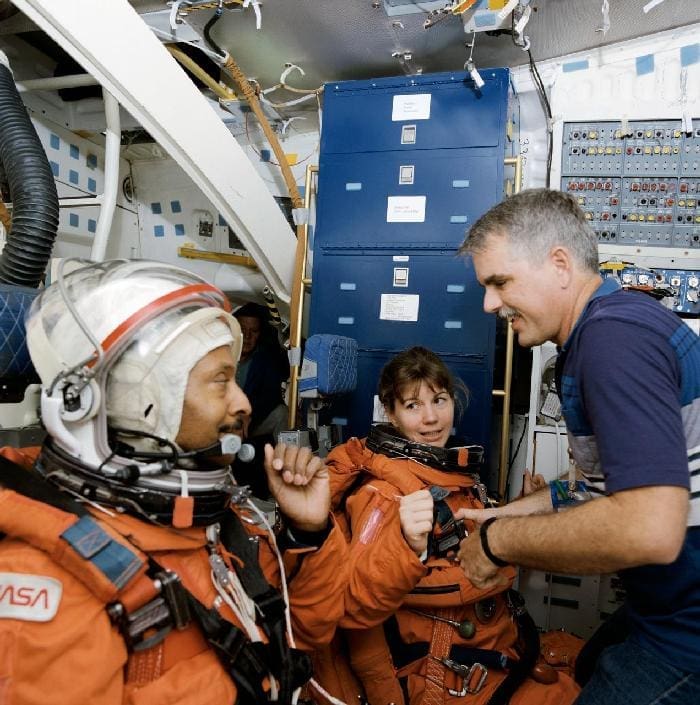
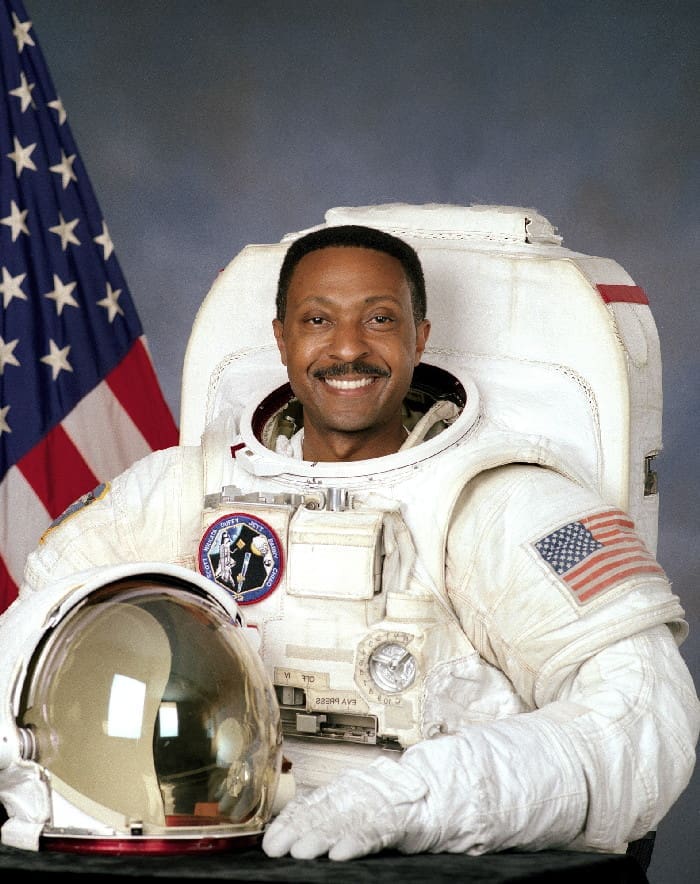
He’s also encouraged by the growing role of commercial companies. For three years, Scott directed the Florida Space Authority (now Space Florida), where he pushed to open up facilities to private spaceflight companies. Two decades later, he can see that work pay off: “What you see happening now, many of us began pushing for twenty years ago,” he says.
Scott is especially excited about the early days of space tourism. He points to high-profile flights, like William Shatner’s brief trip to space, as a sign of what’s ahead: longer flights, more access, and eventually the kinds of experiences once reserved for science fiction — hotels in space, amusement parks in orbit, even destination weddings on the moon. For Scott, affordability is the key that unlocks all of it. “The more people that can go, the more affordable it becomes,” he says. “It’s a cycle. I love the expansion of access to space.”
Access is something Scott thinks about often. He’s currently a resident astronaut at the Kennedy Space Center Visitor Complex, where he encourages aspiring astronauts to “take the leap from make-believe to make it happen.” The visitor complex plays a critical role in human spaceflight — past, present and future — but it’s also a major cultural and educational resource open to the public.
Under its theme “Discover Something Real,” Kennedy Space Center Visitor Complex offers guests a simulated shuttle launch, no training required. Guests can stand beneath the massive, 6.2-million-pound Saturn V rocket, get up close with the retired space shuttle Atlantis, and even touch a moon rock. On a clear day, there’s a chance of catching an actual rocket launch. KSCVC posts an events calendar with launch tickets, so it’s worth checking the website ahead of a visit.
Even if a launch gets scrubbed, visitors can still meet former astronauts, take a photo, and get an autograph. “It really is an experience where we think it’s the closest thing you can come to experiencing space without leaving the earth,” Scott says.
This summer, Kennedy Space Center Visitor Complex is marking America’s 250th anniversary with new interactive exhibits, astronaut meet-and-greets, block parties, and “250 Space Dreams” giveaways featuring NASA gear and astronaut souvenirs. For hours and event details, visit kennedyspacecenter.com. The Kennedy Space Center is located just over six hours by car from Panama City Beach.
 RSS
RSS