





















By Lauren Goldsby
As summer rains have officially begun, I have delighted in not having to pull out the hose and water my outdoor plants. The extreme drought conditions that we had this spring have been tough on lawns, outdoor plants, and the people that take care of them! There is one section of plants, my native wildflowers, that did not get any additional water throughout the drought. These plants came back from last year’s garden, either by seeds or underground storage tissues, depending on the species.
I did not expect the plants to survive the drought without irrigation and was pleasantly surprised to find them healthy and flowering throughout the drought period. Now that they have been getting some supplemental rain, they are even happier. This is a great example of the Florida Friendly Landscaping principle number one, Right Plant Right Place. By utilizing this landscaping principle, I have reduced my labor requirement by not having to replant a garden every year. I have also reduced my water use as these deep-rooted native plants do not require extra irrigation to survive. Rather than fight the harsh conditions that Florida summers provide, we lean into them with plants that belong. Here are a few species that are growing well despite the drought conditions.
Black-eyed Susan (Rudbeckia hirta)
Salt and drought-tolerant, black-eyed Susan is a great choice for coastal landscapes. You can seed directly in the garden or purchase plants to transplant. These flowers do great as a cut flower for bringing inside.
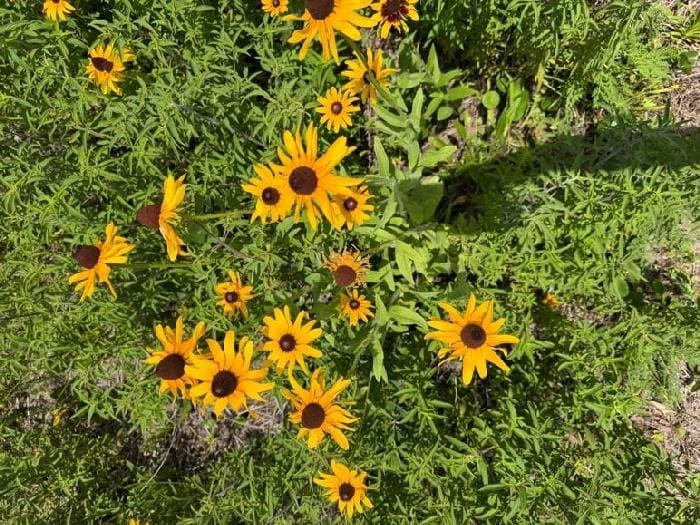
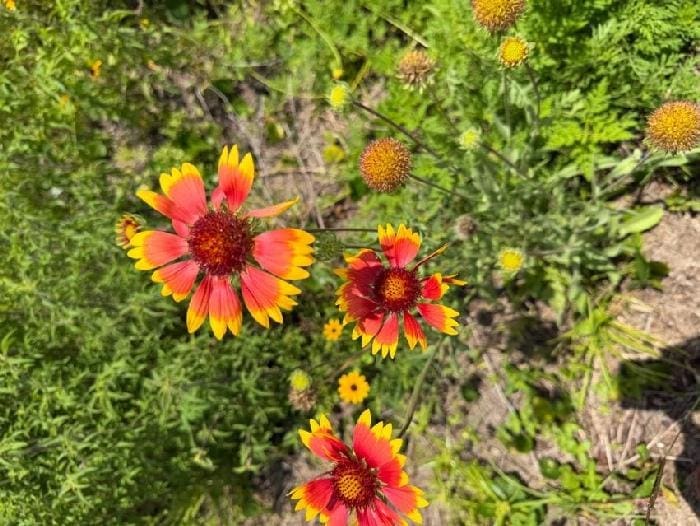
Native to the southwestern US, blanket flower does well in our environment. Pollinators love the flowers and it readily reseeds the following season.
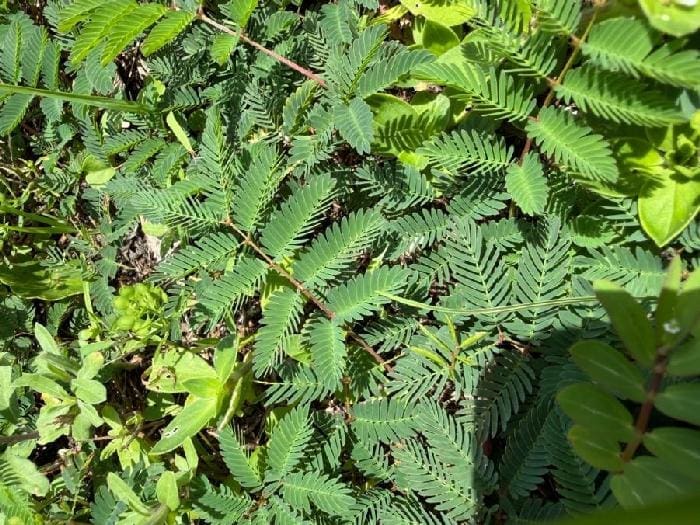
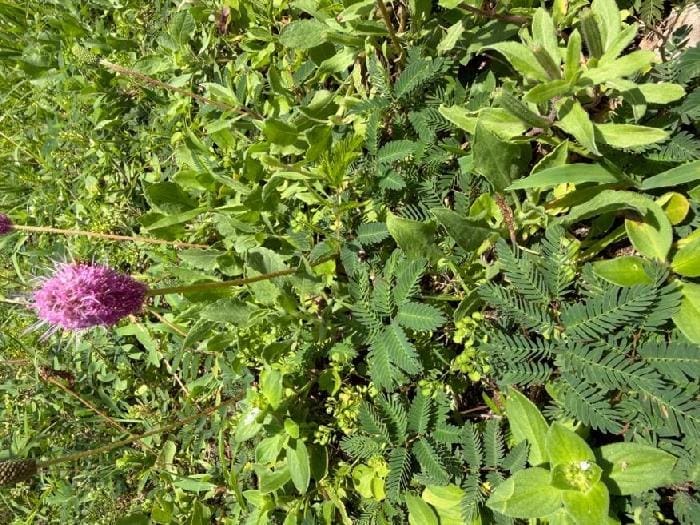
Sunshine Mimosa (Mimosa strigillosa)
Also known as ‘sensitive plant’, this low-growing groundcover folds up when it is disturbed. It can be used alone as a groundcover or grown with turfgrass to help fill in the gaps. It can be mowed along with turfgrass and is a host species for the Little Sulphur butterfly.
 RSS
RSS