




















Keep the beaches clean, dark and flat
By Heather Bennett Eye
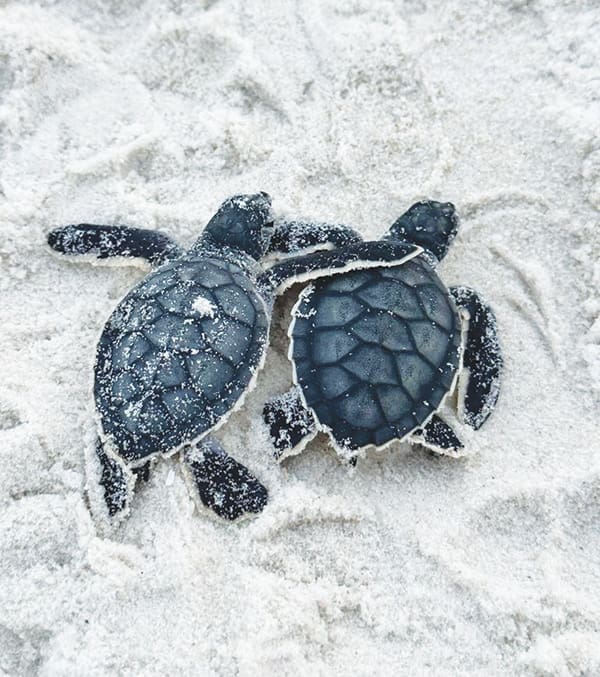
Long before the beaches were our escape and playground, before we built homes near the dunes, before we built sandcastles, dug holes and left beach chairs and umbrellas behind overnight, beaches were, and still are, nesting grounds for sea turtles. Not for decades. Not for hundreds of years. Not for thousands of years. Scientists have proven that turtles have been nesting along the Gulf beaches for millions of years.
Sea turtle nesting season on the Emerald Coast is May 1 through October 31. During this time, local wildlife authorities and conservation organizations, like South Walton Turtle Watch and Friends of South Walton Sea Turtles, urge beachgoers to keep the beaches clean, dark and flat. When we fail to do this, there can be detrimental consequences for nesting sea turtles.
In June, a Kemp’s ridley, the rarest sea turtle, washed ashore on Blue Mountain Beach, entangled in a beach chair. Deceased. Sea turtles face a gauntlet of survival challenges: predators, storms, climate change, boats, poaching, fishing gear, coastal development and pollution. Of all these hurdles she had to overcome, her life was ended by a beach chair, which was something that could have been prevented.
This tragic event followed a false crawl made by a disoriented loggerhead earlier in the month. While false crawls happen, South Walton Turtle Watch’s observation of the tracks led the group to believe this was due to artificial lighting and obstacles on the beach. She had been stuck in a hole for some time before returning to the Gulf.
Please remember that it’s critical to all marine life that we pick up our trash and any other trash we find, and remove it from the beach. At the end of the day, we need to remove all beach furniture and toys. We also need to remove obstacles by knocking down sandcastles and filling in holes. If you have a property near the beach, please turn off your lights at night or use amber or red lights. If your property is a rental, please educate your renters on these best practices. It’s up to us to keep the beach clean, dark, and flat.
The sea turtles that nest on our beaches are protected under the U.S. Endangered Species Act. The Kemp’s ridley is the rarest and most endangered sea turtle species in the world, with only around 2,000 to 3,000 nesting females remaining today.
While we choose to use the beaches for our own recreation and enjoyment, we need to remember that we are guests. We are stewards of a land they’ve chosen to lay their eggs on, and the sea they call home. It’s our duty to protect these vulnerable creatures and ensure their species continues and thrives.
 RSS
RSS