




















Home Blog Page 220

Make the Grass Greener on Your Side of the Fence

By Lauren Goldsby

We get a lot of questions at the Extension office about lawns. Most people have one and take great pride in how it looks. Irrigation is one of the most important practices for maintaining a healthy lawn. Many of the problems we see can be traced back to improper watering. Most people tend to overwater their lawns, which can lead to shallow root systems, increased weed growth, and more disease issues. Watering only when your lawn needs it can also reduce how much money you spend on water and fertilizer. It also helps keep nutrients from washing out of the soil and into nearby waterways. Overwatering can rinse fertilizer away before plants can use it, allowing it to run into natural water systems.

There are a few key things to think about when irrigating your lawn. Three of the most important are how often to water, how much to water, and the best time of day to water.

How often you need to water depends on several factors and will change with the seasons. Grass type, shade, and soil type all play a role. Don’t worry, you don’t need to be a soil expert to know when to water. It is helpful, though, to learn how to spot signs that your lawn is dry. These signs tell you when it’s time to turn your irrigation system on. Common signs of a dry lawn include grass blades that fold in half lengthwise. This is the plant’s way of conserving water. The lawn may also appear blue-gray instead of green. One of the easiest tests is to walk across your yard. If your footprints stay visible instead of springing back, your lawn likely needs water.
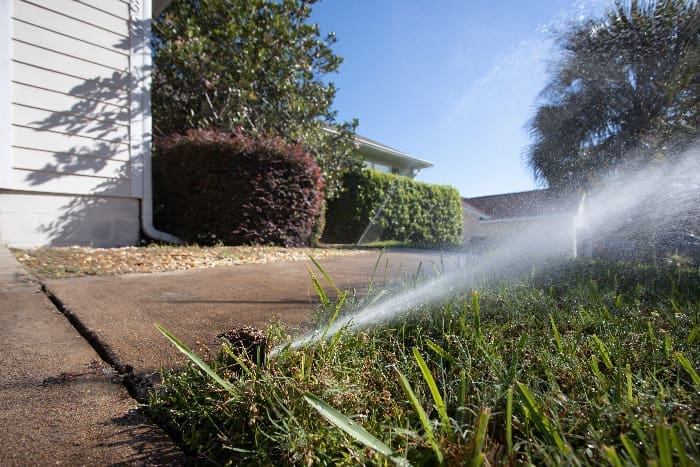
Growing Sprinkler

When you see these drought signs in about 30% of your yard, it is recommended to apply ½ to ¾ inch of water. Then wait until you notice signs of dry turf again before watering. This approach encourages deeper root growth and helps reduce weeds and disease problems. To know how much water your irrigation system is applying, it’s a good idea to calibrate it once a year. To calibrate your irrigation system, place several small containers of the same size throughout an irrigation zone. Turn the system on and let it run for 15 minutes. Afterward, use a ruler to measure how much water collected in each container. Add those measurements together and divide by the total number of containers to find the average amount of water applied. Use this information to determine how long you need to run your sprinkler system to apply the recommended ½ to ¾ inch of water during each watering cycle.

A common misconception is that lawns should be watered in the middle of the day when temperatures are the hottest. Watering at this time can lead to water loss from evaporation. Plants also take up water less efficiently when they are already stressed by heat. The best time to water is early in the morning. Watering in the evening can increase how long moisture sits on the grass overnight, which can encourage fungal and bacterial diseases. As we ease into summer, rainfall is expected to increase. Until that happens, these guidelines can help take the guesswork out of watering your lawn and keep it healthy while conserving water.

An Equal Opportunity Institution. UF/IFAS Extension, University of Florida, Institute of Food and Agricultural Sciences, Andra Johnson, Dean. Single copies of UF/IFAS Extension publications (excluding 4-H and youth publications) are available free to Florida residents from county UF/IFAS Extension offices. Contact our office at (850) 248-8091 or email legoldsby@ufl.edu. Follow us on Facebook @bayifas and Instagram @ufifasbay.
Know Your Neighbor – Amanda Blyth

By Michele Hardman

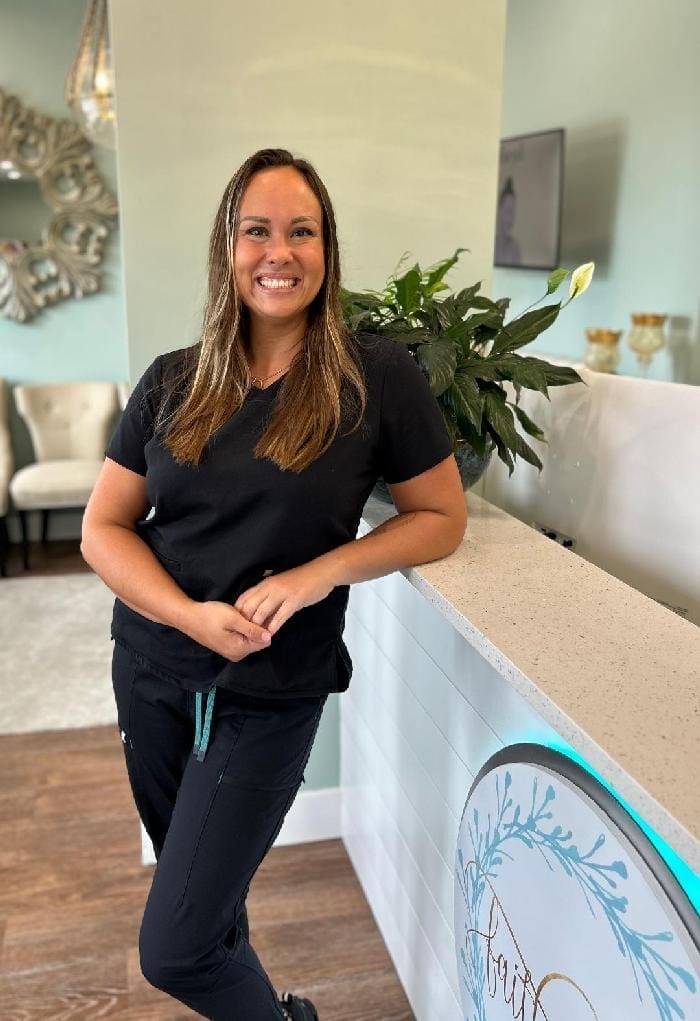
When I moved to Panama City Beach about a year and a half ago, I started looking for a local massage therapist.  A friend had recommended Amanada Blyth over in Lynn Haven, so I scheduled an appointment.  I’m so glad I did.  In talking with Amanda, it quickly became apparent that she’s doing exactly what she was meant to do. So she was gracious enough—after a little coaxing—to sit down with me and share some helpful info.

When Amanda was in high school, she decided she wanted to become a nurse and started making plans.  From grades 9-12, she took classes and eventually got accepted into a nursing program that would continue once she graduated.  But during all of this, her life took a slightly different turn.  You see, Amanda had suffered from severe migraines for years.  She had been taken to allergy specialists and chiropractors and had numerous tests and treatments with no improvement.  One day, she was at a hair salon and was having yet another bout with a strong migraine.  It just so happened that there was a massage therapist in the salon, and Amanda told him about her struggles.  He began working on the base of her skull, massaging and using pressure points, and literally within about five minutes, she started noticing her headache was drastically subsiding.  She was amazed!  From that moment, she decided to change her career path from nursing to massage therapy.  She wanted to be able to help others get the same pain relief that she had now discovered.

Amanda Blyth Massage

Many people view massage as a guilty pleasure or a luxury that only the wealthy enjoy.  But there are so many benefits from it that it should be viewed instead as personal maintenance.  So what are some of those benefits other than migraine relief?  TMJ symptoms can be reduced.  Sinus pressure can be released through facial massage.  Hip, neck, and lower back pain can be lessened.  It can ease depression and anxiety, lower stress hormones, and improve sleep.  Pinched nerves in the neck will respond wonderfully to massage.  Massage acts as a total body reset.  It causes your blood to flow through your system 10 times faster while releasing serotonin.  It also loosens up toxins inside of us, which is why therapists strongly recommend you drink lots of water afterwards, to help flush all of that junk out of you.  Our nervous system plays an important role in our health, and massage is known to help regulate that as well.  Amanda prefers to work at a slightly slower pace, stretching muscles and focusing also on the fascia, which is the connective tissue surrounding the muscles and organs.  Her number one thing is listening to her clients so she understands her needs on that particular day.  The human body is so complex that your elbow might be hurting, but the actual root cause may stem from a constricted muscle in your neck.  It’s fascinating!   And don’t forget about your feet.  They’re a roadmap of your entire body too, with certain points correlating with many of your inner organs, such as your kidneys, colon, lungs, liver and digestive system.  For example, did you know the pressure points for your sinuses are located on the tips of your toes, and your spine runs along the side of your foot?  How cool!

Massage is great for any age group, and Amanda offers sessions from 30 minutes to two hours.  The best way to schedule an appointment with her is to call Faith Family Wellness in Lynn Haven at (850) 788-3120.  You invest money in numerous things in your life—be sure to also invest in yourself.

Land Trusts and Conservation Easements – Tools to Preserve Florida’s Past for the Future

By Jon Carroll

Copy Of Jon Carroll

Growing up in Southwest Florida, one of the most memorable trips I ever took was a canoe and camping trip through the Ten Thousand Islands.  Not only has the challenge of paddling against the current in the open gulf stuck with me, but so has the pristine beauty of the preserve.  Florida is filled with many such areas of natural beauty.  According to the Florida Department of Environmental Protection, in the 13 counties (including Bay) that border Florida’s “forgotten coast”,  there are 10 aquatic preserves, 36 state parks, the Gulf Islands National Seashore and the 234,000-acre Apalachicola National Estuarine Research Reserve.

In addition to these large-scale preservation efforts, the Bay County Conservancy – The Land Conservancy of Northwest Florida, manages and owns approximately 409 acres across eight counties.  The Bay County Conservancy is a land trust “dedicated to the preservation of environmentally sensitive lands in Northwest Florida.”  But what is a “land trust? “

Florida Statute § 689.071 recognizes this distinct legal structure known as a land trust. This statute allows real property to be held by a trustee, while the beneficiaries retain control over how the property is used and managed.  A land trust can be used for conservation purposes when voluntary restrictions on use are included within the trust agreement itself. For example, the trustee can be directed to prohibit subdivision, limit development, preserve timber resources, or maintain the land in its natural state.

Traditionally, an arcane legal principle called the Rule of Perpetuities (the bane of every law student’s real property class existence) limited the length of time a trust could exist to a “life in being plus 21 years.”   Without getting into too many weeds, a basic land trust is not impacted by the time limits on a trust.  However, even if a more complex land trust does trigger such a time constraint, the Florida legislature has significantly expanded the amount of time property can be tied up in a trust.

Land preservation efforts may involve combining a land trust for control and management with a conservation easement.  Conservation easements are authorized under Florida Statutes § 704.06, and allow landowners to permanently limit development while retaining ownership and traditional uses of their property. Because these easements “run with the land,” they bind future owners and ensure long-term protection of the property.

A conservation easement does not mean land is forever locked away from all human use.  Such an easement is designed to preserve the land’s natural or agricultural character while allowing continued traditional uses that are consistent with that goal. The statute expressly allows easements to be tailored.  This means landowners can reserve rights such as hunting, fishing, timber harvesting, farming, ranching, and recreational use. In many cases, these activities are not only permitted but encouraged, so long as they are conducted in a way that does not impair the conservation values being protected. For example, a family may continue managing timber or using the land for seasonal hunting while restricting subdivision or commercial development. The key is that the easement defines what is allowed and what is limited, striking a balance between preservation and practical, ongoing use of the property.

Land trusts and conservation easements offer Florida landowners a way to preserve the character, beauty, and function of their land while still maintaining meaningful use and control. Whether protecting a family homestead, working timberland, or sensitive coastal habitat, these tools allow individuals to ensure that the landscapes we value most remain part of Florida’s story for generations to come.

Jon Carroll is a licensed attorney.  The information in this column is provided for educational and informational purposes only, and does not constitute legal advice, nor establish an attorney client relationship.  Consult a qualified attorney in your jurisdiction for legal advice specific to your situation.

Flora and Fauna of the Historic Gulf Cemetery

By Helen Petre

South of 98, on 293, almost to the beach, is a cemetery on 40 acres of pristine wild land. The cemetery offers burial sites, but it is also a unique ecosystem that is rare among the housing developments that surround it. Established in 1914 by Woodrow Wilson, the Choctawhatchee sand pines and gopher tortoises have been relatively untouched by human development or fire for an exceptionally long time.

The Historic Gulf Cemetery covers 40 acres of low hills and mature trees that make up a unique ecosystem dominated by Choctawhatchee sand pine (Pinus clausa immuginata). Sand pines grow on entisol soils, which are about 90% sand, and strongly acidic (pH 5). The soil is low in nutrients, lacking ammonium, phosphorus, potassium, calcium, and magnesium, and contains only about 1% organic matter, making it perfect for sand pines, but not for most other plants. Sand is excessively drained, making the soil very dry, even when it rains.

Choctawhatchee sand pines grow only on the coast of the Gulf of America, mostly in Walton and Okaloosa counties. In fact, they only grow within one degree of latitude. Most of their preferred habitat has been lost to development, making the cemetery habitat unique.

The sand in the cemetery, and along the Gulf coast, is of marine origin and was deposited in the Pleistocene as a series of ancient shorelines, forming long, gentle hills and flat ridge tops. This is a distinct community that is strikingly different than longleaf pine communities, which are higher in elevation and have more organic matter.

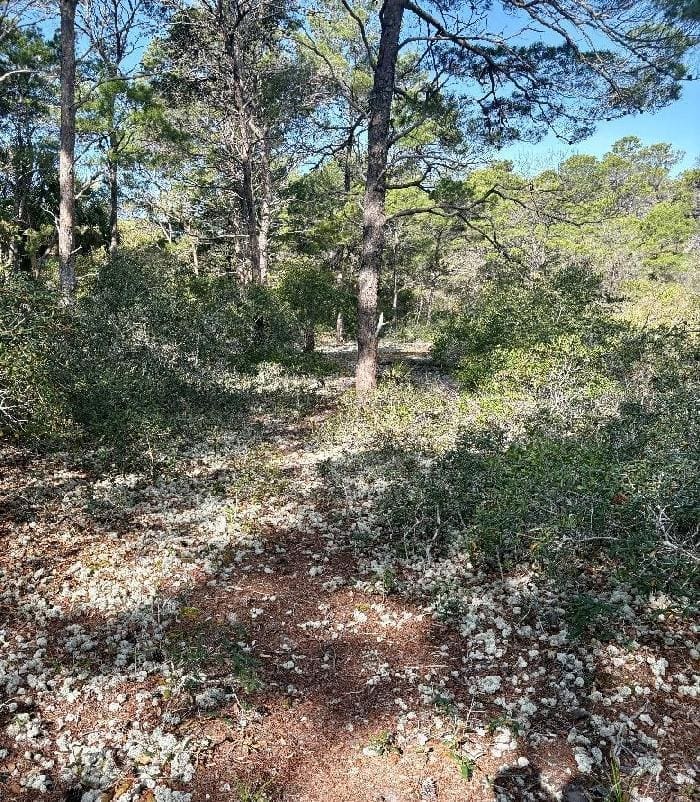
Since the cemetery is relatively protected from fire, Choctawhatchee sand pines thrive. The natural ecosystem, without fire, has an open canopy with sparse understory. Turkey oak, prickly pear cactus, wildflowers, and broadleaf grasses are the predominant plant species. Lichens are present in dense clusters on the infertile soil surface.

Lichens (Cladonia species)

The lichens in the cemetery are commonly called deer moss; large, puffy, gray-green fruticose lichens. They are a mutualistic relationship between a blue-green algae and a fungus, and look like pale green, round sponges. There are no roots, so the lichens just sit on top of the ground.

Image2
Deer moss and Choctawhatchee sand pines in the Historic Gulf Cemetery. W. Keyes

Fauna

The sand pine ecosystem provides abundant food and cover for wildlife. Wild turkey, gray squirrel, and mourning dove eat the seeds of Choctawhatchee sand pine. The open canopy provides habitat for woodpeckers, squirrels, and birds of prey. When I was there in March 2026, I saw an eagle, along with many songbirds and squirrels. There are bluebird boxes throughout the cemetery, and most are occupied.

Gopher Tortoise (Gopherus polyphemus)

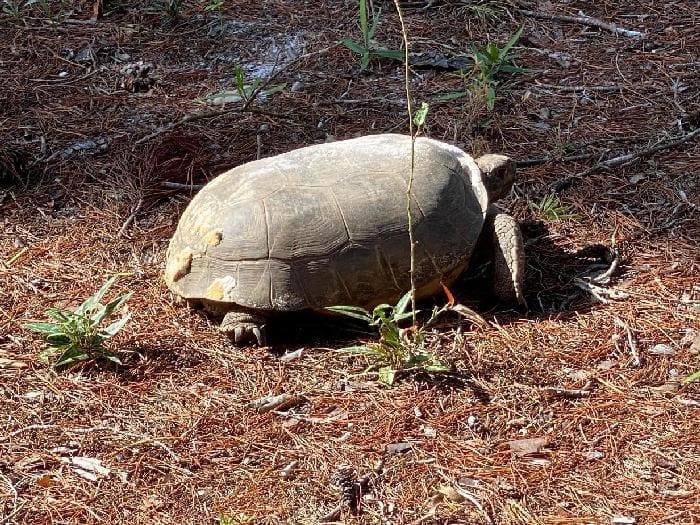
The gopher tortoise is an important resident of the Historic Gulf Cemetery. I saw three burrows in March 2026. Gopher tortoises are threatened by habitat destruction and need a very sandy substrate to dig burrows. They also need an open canopy in order for their preferred food, grass, to grow. About 75% of their diet is grasses. Gopher tortoises also eat wiregrass, gopher apple, blackberries, and palmetto berries, all present close to the burrows.

Gopher tortoises are seldom seen, as they spend 80% of their time in their burrows. Burrows average 15 feet long and six feet deep, and protect the tortoises from heat, cold, fire, and predators. The burrow provides homes for commensal species, including Florida mice, gopher frogs, and eastern indigo snakes. Gopher tortoises live for about 40 years.

Image1
Gopher tortoise. W. Keyes

The sand pine ecosystem in the cemetery is a uniquely wild environment that provides habitat and food for many species. A walk through the cemetery is peaceful and reflective, but it also allows visitors to experience a rare ecosystem in contrast to the surrounding housing and commercial developments. It is a special, protected home for some of my favorite native plants and animals. I am grateful there is a peaceful place for them to live quietly and respectfully, among a place for humans to rest in peace.

Helen Petre is a retired biologist enjoying her time in nature along the Gulf of America. If you have any nature questions, or suggestions for articles about our bio paradise, email petrehelen@gmail.com. William Keyes is the President of the Board of Directors of the Historic Gulf Cemetery. 

Panama City Beach Names Griff Griffitts as President & Chief Executive Officer

Real Fun Beach

Veteran hospitality and public service leader to guide destination’s next chapter

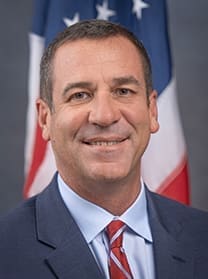
The Panama City Beach Convention & Visitors Bureau (CVB) today announces the appointment of Griff Griffitts as President and Chief Executive Officer of Visit Panama City Beach.

Working alongside the Bay County Tourist Development Council and local partners, he will lead the organization’s strategic vision, focused on driving year-round visitation, strengthening economic impact and enhancing quality of life for residents through thoughtful tourism development.

With more than four decades of experience in the hospitality industry, spanning operations, guest experience and long-term business development, Griffitts has gained a deep understanding of what drives a successful tourism economy. His career began in the hotel industry, where he spent 45 years building and managing hospitality businesses, including operating a Panama City Beach-based hotel. He also previously served on the Bay County Tourist Development Council, providing direct insight into how tourism is developed, funded and managed to support responsible growth.

Griffitts brings extensive public service experience to the role, having served as Bay County Commissioner for District 5, representing all of Panama City Beach, as well as in the Florida House of Representatives. His time in these roles positions him to navigate the intersection of government, industry and community, and how local tourism efforts connect to broader policy decisions.

Griff Griffitts

“Panama City Beach is my home; as a third-generation Bay County resident, I have a deep love for the community and am honored to join a talented team of people who truly love this destination and want to see it succeed,” said Griffitts. “I look forward to advancing the important work this organization has been doing for decades.”

Twice As Nice For Rory

By Alan M. Watson, President, GOLF+ PCB

To win one green jacket would be a career milestone for any professional golfer. Winning at Augusta – The Masters – the first major of the year – the one everyone dreams of is and always will be a career-defining achievement. Now Rory McIlroy has done it twice, and in back-to-back years no less. He joins only Tiger Woods, Jack Nicklaus, and Sir Nick Faldo in this illustrious club.

Sure, he will have to pick up the tab for a second year in a row at the Champions Dinner. Sure, he couldn’t put the green jacket on himself. Sure, he overcame one of the worst driving performances in major history. And on and on and on. We all feel sorry for Rory.

No, we don’t. I jest. Rory is a great champion with many worldwide wins to his name. When he donned the green jacket in 2025, it was the final piece in his career grand slam. But two in a row. Well, that’s just special. Rory is living in rarified air in this era of two tours (LIV and PGA). He’s beaten world number one Scottie Scheffler two years in a row at Augusta, along with a host of other recent winners like Justin Rose, Cam Young, and J.J. Spaun. Rory is doing what Rory does. Winning!

We celebrate this accomplishment not only because it’s a known figure in the world of professional golf but also because the pressure was on. He clearly put a pile of it on himself to repeat, as is evidenced by the fact that he admitted he had spent quite a bit of time in Georgia playing the course weeks before the tournament. Was this an unfair advantage over the other players? Maybe. But come tournament time, everyone has to play the same course under the same conditions. And the 2026 Masters was pretty benign as weather goes. No rain, and no heavy winds. The greens were a little firm and maybe even crispy due to the lack of rain, but again, everyone plays the same course. And while many great players had their chances to take it to the course, Rory was just one shot better in the end. And that’s all it takes.

So how did he do it? Putting for the most part. His putter was deadly on many holes and even when he missed, he missed close for the most part. His wedge game was solid as well. Lots of chips and full wedges that came into the correct spot on the green. Long iron play was another place where Rory had a slight edge over the field. With his amazing height, his shots don’t move as much as some people’s when they land. Rory could have lost it with the driver as in some stretches he was not hitting fairways; however, when it counted, his driver was solid enough, and he found ways to escape the trouble when he did go wayward.

Now the talk is three-peat, and for me, I say let’s put a pin in that. Maybe it’s just too early to be talking about next year.  What I will wonder about though, is if Rory can win another major tournament this year in the 2026 season. Can he win enough to overtake the world number one spot? Can he win the FedEx Cup? Those are more pressing issues for 2026, but if this Rory keeps showing up to play, then the other pros are in for a long year.

Congratulations, Rory McIlroy, on your second Masters win! You deserve it.

Ascension Sacred Heart Launches Free Mammogram Program for Uninsured Women

Initiative provides potentially life-saving breast cancer screenings to uninsured women 40 and older across Northwest Florida

Ascension Sacred Heart has launched a new free mammogram program to provide critical breast cancer screenings to uninsured women across Northwest Florida. Uninsured residents over 40 years old are eligible for the screenings. Funding for the program comes from generous donors to the Sacred Heart Foundation.

“Sacred Heart Foundation is committed to ensuring no woman goes without an essential breast health screening,” said Adrienne Maygarden, President of the Sacred Heart Foundation. “Too often, women, especially mothers and caregivers, put their own health on hold. With more than one-third of women behind on critical appointments like mammograms, the need is real. Thanks to the support of our community, we are helping remove barriers and provide access to potentially life-saving care.”

Adobestock 316858390

According to the American Cancer Society, when breast cancer is detected early and remains localized, the five-year relative survival rate is 99 percent. Breast cancer is the most commonly diagnosed cancer among women in Florida, with more than 17,000 new cases diagnosed each year. But only about half of the women over 40 living in Bay, Walton, Okaloosa and Gulf Counties get an annual screening as recommended.

The free mammogram program is available to women who:

  • Are 40 years of age or older
  • Are uninsured
  • Are seeking a preventive screening and have no current breast health symptoms
  • Have seen a primary care provider within the last 2 years

The screenings are conducted at four locations in the area:

  • Walton and Okaloosa County residents
  • Bay County residents – Ascension Sacred Heart Women’s Diagnostic Center – Bay in Panama City 850-804-3909
  • Gulf and Franklin County residents – Ascension Sacred Heart Women’s Diagnostic Center – Gulf in Port St. Joe 850-229-5680

Women seeking a free mammogram can call their nearest location above to schedule an appointment. To find the location near you, visit ascension.org/sacredheartmammogram. To support this program with your generous donations to the Sacred Heart Foundation visit givesacredheart.org.

Gulf Coast State College and Bay District Schools Employees Selected for Prestigious Educator at Sea Program

Gulf Coast

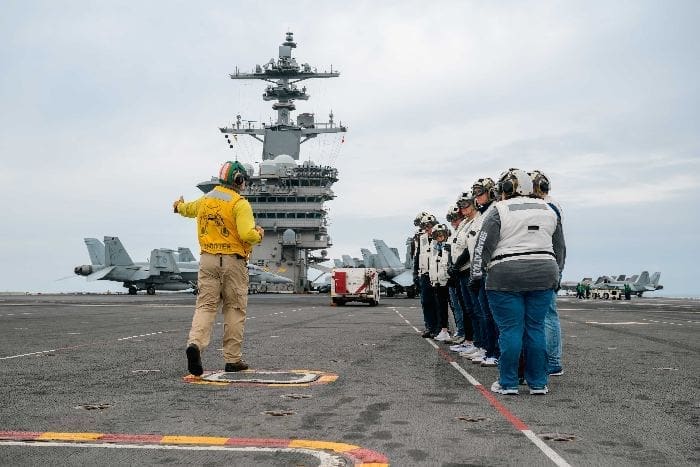
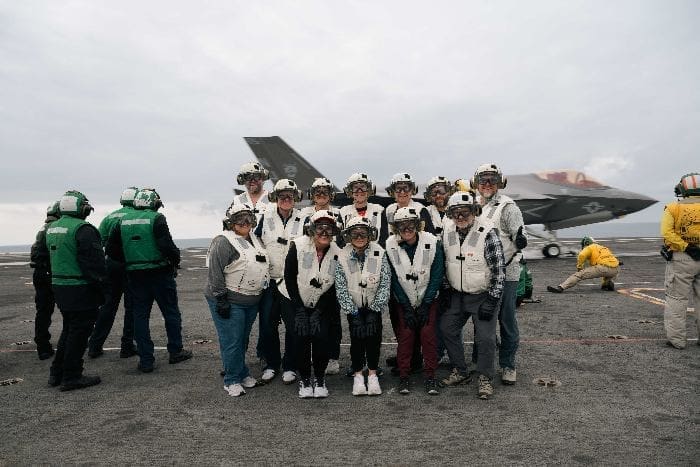
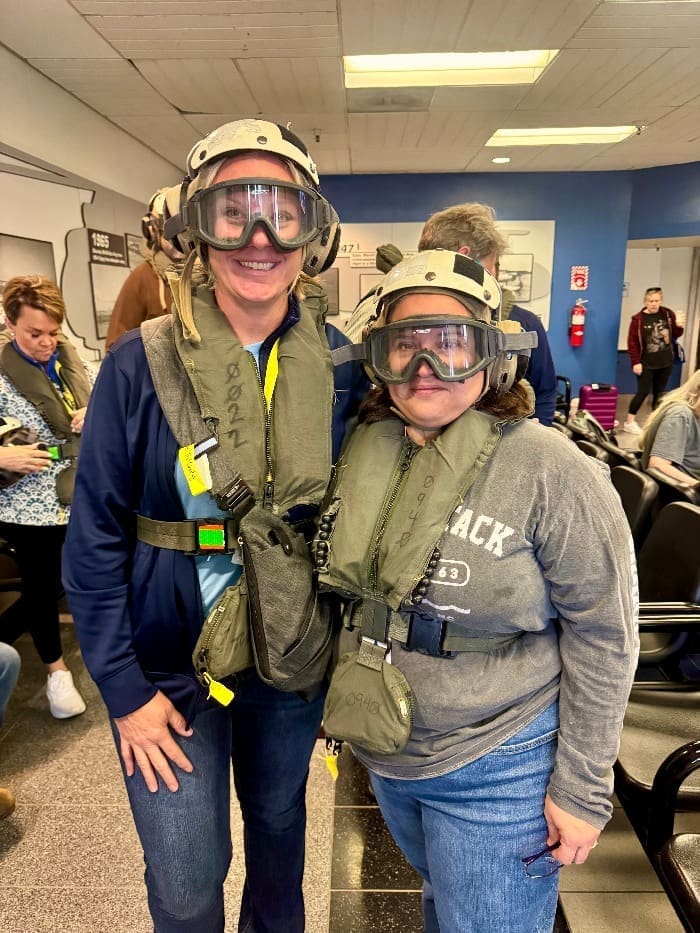
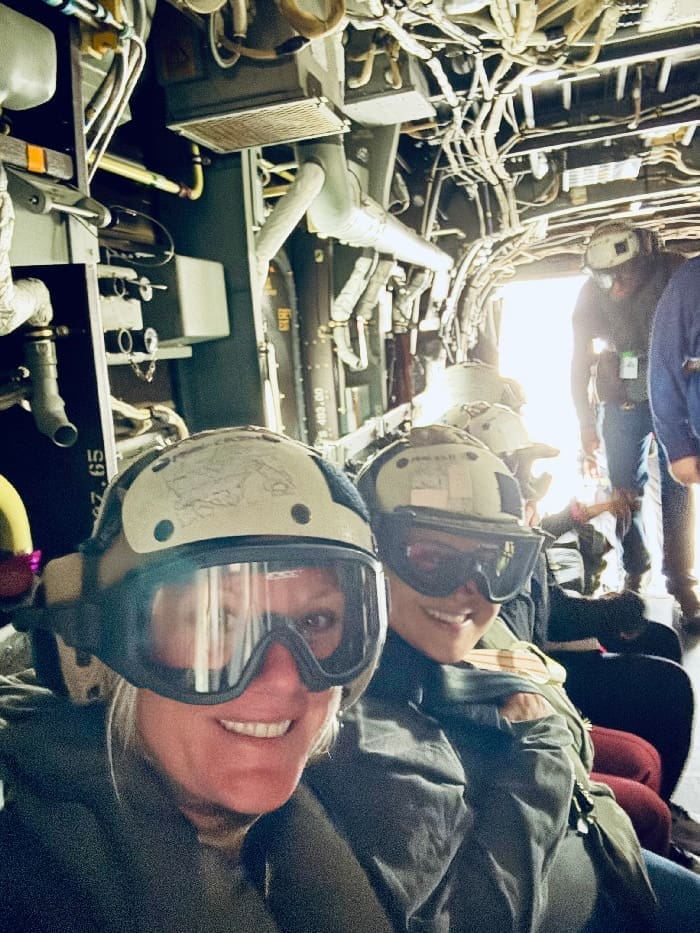
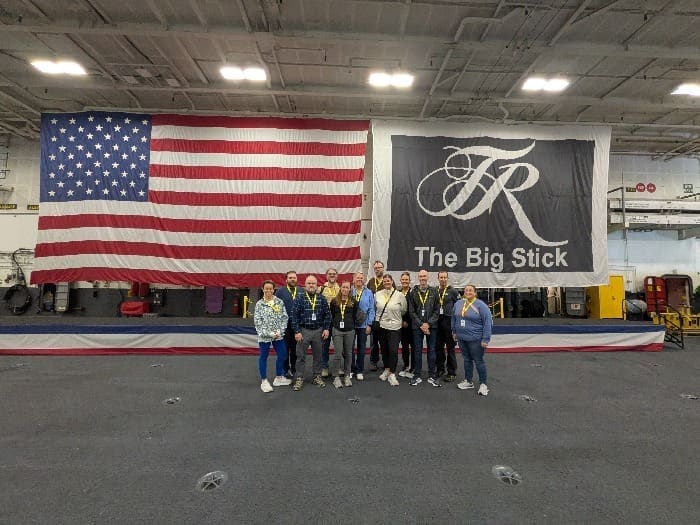
Gulf Coast State College (GCSC) and Bay District Schools are proud to announce that two of its employees, Crystal Wielenga and Katie McCurdy, were selected to participate in the Navy League’s esteemed Educator at Sea program. They joined ten other STEM teachers from across the country for this unique opportunity aboard the USS Theodore Roosevelt (CVN-71), from March 30-April 2, 2026.

The Navy League has been a valued partner in GCSC’s STEM Summer Youth Programs for several years, and their involvement has been instrumental in enhancing the curriculum offered to students. The collaboration has garnered recognition in the SEAPOWER magazine, the official publication of the Navy League of the United States, showcasing the impactful educational initiatives taking place at GCSC.

Crystal Wielenga, a Master Science Teacher in Bay District Schools as well as an instructor for the GCSC Summer STEM program, along with Katie McCurdy, GCSC’s Executive Director of Community Engagement and Director of the Summer STEM programs, embarked on a journey to enrich their understanding of naval operations and the vital role of the Sea Services. They had the incredible opportunity to fly on and off the USS Roosevelt on an Osprey. During their time aboard the USS Theodores Roosevelt, they gained firsthand experience of the ship’s operations, exploring the hanger, flight deck, catapult system, jet engine machine shop, galley, medical facilities, and the Bridge. They also had the opportunity to meet CMC Wright, CAPT Silver (XO), and share meals with Officers, Chief Petty Officers, and crew members. The experience concluded with an overnight stay in the ship’s staterooms on the ship.

The Educator at Sea program aims to empower STEM educators by providing them with insights into the complexities of naval operations. This immersive experience will enable

Wielenga and McCurdy to provide students with real-world examples that enhance the STEM concepts that are taught at the STEM program, demonstrating how these principles are applied in practical situations.

Katie McCurdy expressed her enthusiasm, stating, “This incredible one-in-a-lifetime opportunity allowed us to bring back invaluable experiences and knowledge to share with the youth of our community. We are excited to share the real-world applications of STEM concepts and inspire the next generation of innovators and leaders.”

Gulf Coast State College and Bay District Schools remain dedicated to fostering innovative educational programs that prepare students for success in the ever-evolving fields of science, technology, engineering, and mathematics.

Lifelong Storyteller Brings Strategic Marketing & Communications Home

Chamber Spotlight: Hutt Strategic Communications

Lifelong Storyteller Brings Strategic Marketing & Communications Home

Hutt Hsc Logo

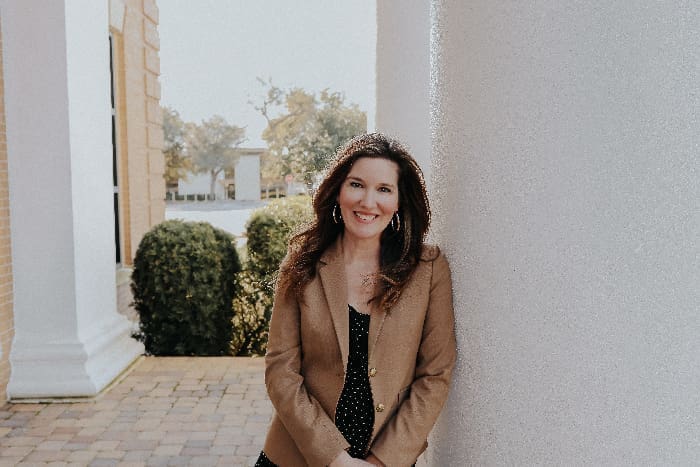
Cara Hutt’s first job wasn’t bagging groceries or waitressing – it was writing obituaries for the News Herald while she was still in high school.

“I loved to write, so my dad suggested I apply for a summer internship,” she said. “They needed help on their obituary team, so that was my focus. Eventually, they let me do other things, but I will always be grateful for that assignment because it taught me how to tell someone’s story with care, accuracy, and respect.”

That early experience sparked an interest in journalism — and in understanding how words shape how people are remembered and understood.

That interest eventually led her beyond Northwest Florida. Over nearly two decades, Cara built a communications career in Washington, D.C., Jacksonville, and Atlanta, working with organizations like CNN, Cox Automotive (including Kelley Blue Book and Autotrader), Chick-fil-A, Inc., and Genuine Parts Company (NAPA Auto Parts). Her work spanned journalism, media relations, leadership messaging, and digital content strategy — often in fast-moving environments where clarity and credibility were essential.

But Northwest Florida was always home.

“I grew up here, and I care deeply about this community and its future,” Cara said. “I’m so excited to see all the growth and evolution happening, and I want to support it. After years of working at scale, I wanted to bring what I’d learned to local organizations, especially small- and medium- sized businesses.”

Hutt Ch Headshot

That realization led her to launch Hutt Strategic Communications, a firm dedicated to helping businesses, nonprofits, and community organizations communicate clearly, consistently, and with purpose.

Rather than focusing only on individual tactics, Cara works with leaders to clarify the story behind their organization, including who they are, what they stand for, and where they’re going. From social media and digital content to public relations and broader communications strategy, her approach blends creative instinct with disciplined planning to deliver communications that support real business goals.

Even the company’s visual identity reflects Cara’s philosophy. She chose her dogs, Ruby and Glory, for her logo and as brand ambassadors.

“Not only are they great co-workers, they are a constant reminder of what drives effective communications strategy,” she said. “They act with instinct, precision, adaptability, and discipline — all while keeping a constant sense of play.”

Today, Hutt Strategic Communications partners witsh organizations of all sizes across Northwest Florida and beyond, helping them strengthen how they show up, connect, and influence in a rapidly growing region.

“I was drawn to communications because I’m naturally curious, and I love learning about people, organizations, and what makes them tick,” Cara said. “Shaping an organization’s story and strategy is one of the most impactful ways to help it succeed — and when local organizations succeed, the whole region benefits.”

Learn more at huttstrategiccomms.com.

Chamber Spotlight: The Mom NP

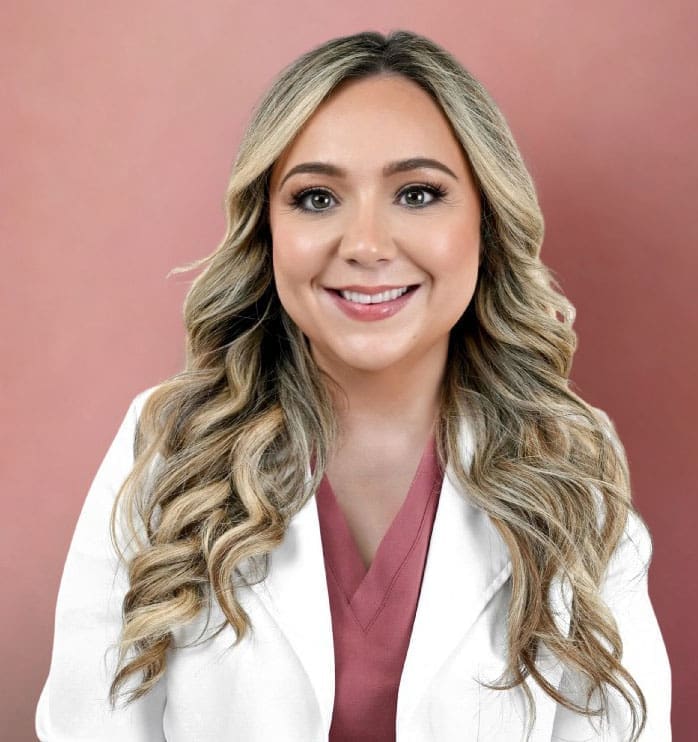
Lisa O’neill 5 (2)

Lisa O’Neill, APRN-C, is the founder of The Mom NP, a women-centered Direct Primary Care practice redefining how healthcare is delivered to women and mothers along Florida’s Emerald Coast. Built from both personal experience and clinical insight, The Mom NP was created to address a gap many women know all too well – the feeling of being rushed, dismissed, or unsupported within the traditional healthcare system.

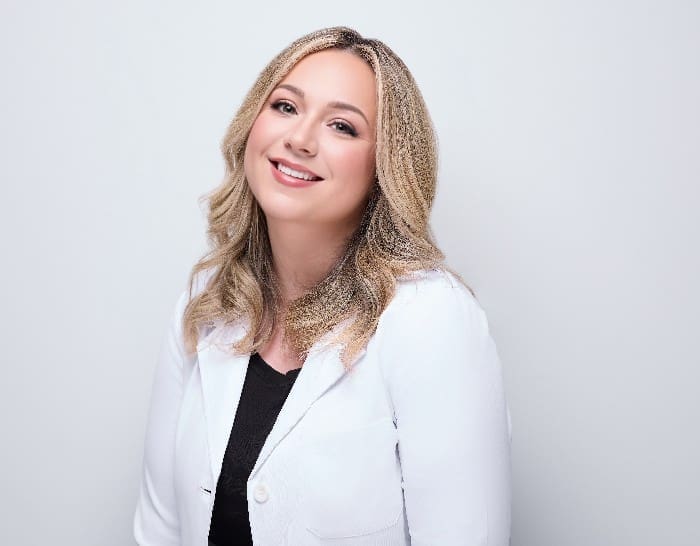
Lisa Oneill

Lisa’s journey into nursing was shaped by firsthand exposure to the challenges women face when access, education, and continuity of care are lacking. As she advanced into her role as a nurse practitioner, she found herself consistently drawn to women’s and maternal health – particularly the pivotal transitions of pregnancy, postpartum, and perimenopause. It was during this time that she recognized a recurring pattern: women navigating complex physical and emotional changes with limited time, fragmented care, and little ongoing support.

Rather than working within those limitations, Lisa chose to build something different.

The Mom NP operates on a Direct Primary Care model that removes many of the traditional barriers to care. For a simple monthly membership, patients receive unlimited visits, direct access via text, same or next-day appointments, and no copays or surprise bills. Care is all-inclusive – incorporating lab work with mobile draw options, point-of-care testing, and many medications – allowing women to receive comprehensive care without the added stress of navigating multiple systems or unexpected costs.

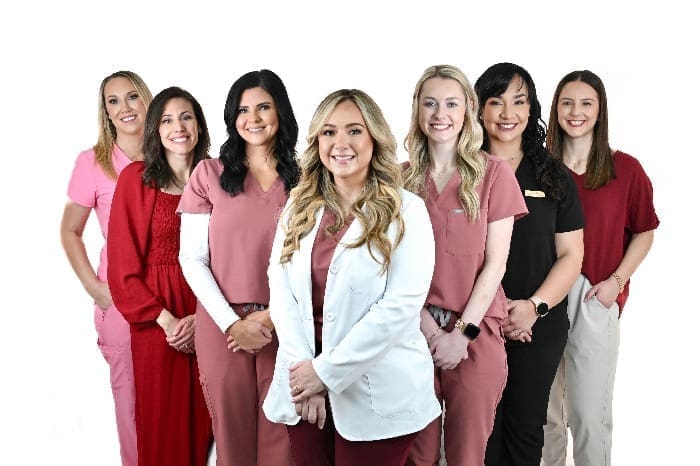
Img 2926 (2)

What truly sets The Mom NP apart is its emphasis on continuity and whole-person care. Services extend beyond traditional primary care to include hormone optimization, postpartum recovery, metabolic health, and integrative wellness offerings such as IV therapy, red light therapy and holistic facials. Postpartum care, in particular, is designed to fill a critical gap, offering ongoing visits, lab support, supplement guidance, postpartum nurse home visits, and coordinated access to pelvic floor therapy, mental health services, and lactation support.

Lisa describes her practice as a “village of support,” a place where women are not only treated, but truly known. By creating a model that prioritizes time, access, and relationship-based care, The Mom NP allows patients to feel heard, supported, and empowered in their health decisions.

Through this innovative approach, Lisa is not only caring for individual patients, but also strengthening families and reshaping expectations of what women’s healthcare can and should be – accessible, personalized, and deeply supportive at every stage of life.

16fba619 9b4d 474c Ac8f 4256ca0ce702

Learn more at www.NPforMoms.com or on Instagram and Facebook @TheMomNP.

Subscribe to RSS
Secret Link