
























Home Blog Page 25

Springtime

Sean DietrichBy Sean Dietrich

Major League Baseball spring training started today. I sat on my porch, listening to a radio. And I was cheering. I mean genuinely cheering.

The Atlanta Braves play the Tampa Bay Rays. The national anthem was played. The umpire used his time-ravaged voice to shout, “Play ball!” I couldn’t help but get excited because it’s been a long year. Too long.

I closed my eyes and visualized the players trotting onto the grass of LECOM Park, greeted by their fans. I could almost see the Dads drinking beer, kids eating nachos, and teenagers taking selfies.

In the theater of my mind the game played beautifully. I could even visualize the occasional kid leaning over the balcony to catch a foul ball—which is one of the great moments of boyhood.

I almost caught a foul-tip once in Fulton County Stadium as a boy. I’ll never forget it. The ball came soaring into the stands and I knew this was my moment. Time slowed down. The eyes of 52,000 were upon me. I stood beneath the ball. I waved everyone else away.
“I got it!” I shouted. “Gimme room! I got it!”

This was going to be the biggest day of my life. I extended my Mickey Mantle model glove into the air—a mitt my father bought from a yardsale for $1. The ball came down, down, down… “Hey!” I thought, “I’m actually going to catch it!”

But it was not to be.

The ball bounced off the webbing of my glove and landed in the lap of a kid behind me. I heard the lucky bum scream with delight. “I caught it!”

I saw the kid leap. I heard people cheer. The crowd hoisted the kid onto their shoulders for a spontaneous ticker tape parade and the mayor gave him the key to the city.
I still have nightmares about that kid.

Baseball’s spell over me is something I can’t explain. After all, baseball is not real life. The game doesn’t have anything to do with my mortgage, my work, or my family. And yet I treat baseball like it ranks somewhere just beneath national security.

Why do I care so much about the statistics of clean-up hitters whose performances have no bearing on my immediate future unless, of course, it’s a pennant race?

The answer is: I don’t know. Believe me, if I knew how to free myself from loving this game, I would. Lord knows the game brings nothing but misery and heartburn to those who love it.

There is no pain like watching your team lose to the Cardinals 13-1 in the National League Championship. It feels like a funeral, but with cheaper beer.

I ought to be more concerned about important things during a trying era like ours. Instead I spend time and money keeping up with multimillion-dollar team franchises. Yes! Baseball costs actual money to follow!

It’s not cheap to be a fan these days. Used to, in olden times all you needed was a radio and a cooler. But today to watch a game you need a digital subscription, a smart TV, 12,981 account usernames and passwords, a streaming service, two major credit cards, liquid fast internet, three forms of legal identification, the blood of a wild boar, etc.

Even so, I don’t care. The game is still being played. And in the midst of a pandemic that has destroyed normal life for everyone, the game inflames me with joy.

Baseball is a link to our heritage. People have been playing baseball on U.S. soil since colonist farmers in knee breeches still spoke with British accents. Early Americans used sacks of wheat for bases and iron skillet lids for home plate. In all likelihood, George Washington probably had a batting average.

My best baseball memory, however, happened last year.

Every afternoon last summer, during the throes of a pandemic, four or five neighbor children would play ball in our dirt road, pausing every inning to allow oncoming cars to pass. They used old pillows for bases and a cooler lid for home plate.

Most often the kids would have a meager audience consisting of middle-aged parents and neighbors who all cradled koozies. We in the crowd would shout phrases like, “Good hustle!” and we’d slow-clap between each batter to prove that we were male.

Sometimes the kids even allowed a few of us neighborhood guys to play with them. Doctors say the cartilage of my knee will never grow back.

Anyway, one night someone hit a foul ball and someone’s 4-year-old brother was nearby shouting, “I got it!” The little white dot sailed above the child who held his hands out and positioned himself beneath the ball.

The baseball came straight down and plunked the boy on the face. The kid fell lifeless to the ground. He was limp. A crowd of panicked adults rushed around him, whereupon the kid leapt to his feet, teeth missing, blood leaking from his chin, smiling and shouting, “I CAUGHT IT, MOM!”

And I’ll never forget when the kid’s mother looked at me, expressionless, and said, “This is why women live longer than men.”

So, I realize there are more important things going on in the world right now. And I know there are bigger issues than baseball to worry about. But it’s been a grueling year filled with squabbling, screaming, rioting, grumbling, coughing, cussing, and crying.

Gosh, it feels nice to cheer for a change.
Put the Right Floor Forward: Flooring Depot of Panama City

By Shannon Salisbury, Director of Marketing

Flooring Depot SignWhen considering flooring options in Bay County, there’s only one name to remember—Flooring Depot of Panama City!

Founded in 2018 by Barry McEntire (who previously owned one of the top 50 retail flooring stores in the country), Flooring Depot of Panama City quickly established itself as a full-service flooring retailer with a beautiful, organized and expansive showroom and the largest selection of in-stock flooring products available in Bay County.

Barry’s goal to provide customers with old-fashioned, family service, backed with honesty and integrity has proven to be exactly what the local community prefers and appreciates. Flooring Depot of Panama City prides itself in providing its retail customers, as well as builders and remodelers, with warm, professional service and an exceptional range of quality products—because happy, satisfied customers are their most meaningful measure of success.

Flooring Depot’s commitment to customers doesn’t end with the sale. Every transaction is backed by the strongest warranties in the industry! Even more valuable is Flooring Depot’s personal promise that your purchase will perform as anticipated.

Flooring Depot 1Flooring Depot carries every type of flooring for any type of home or project, including Carpet and Carpet Tile, Hardwood, Sheet Vinyl, Laminate, Ceramic Tile and Stone, and Luxury Vinyl flooring. The extensive offering of luxurious carpeting is available in thousands of styles, colors, patterns and weaves.

Flooring Depot Carpet1The best thing about Flooring Depot of Panama City has to be the friendly and knowledgeable staff. The Flooring Specialists and Staff are prepared to help you sort through all flooring options and find your perfect dream floor. With extensive service offerings, including financing options and in-house Installation Technicians, Flooring Depot provides turn-key solutions to make your flooring purchase enjoyable and stress-free! Flooring Depot also offers convenient In-Store, In-Home and Virtual Appointments via Zoom and FaceTime.

In 2020, despite the impact of the COVID-19 pandemic, Barry’s commitment to providing customers with incomparable service and an extensive product selection led to the expansion of Flooring Depot—the addition of a new, spacious warehouse in Panama City and a second store location in the heart of Port St Joe. Those expansions allow Flooring Depot to expeditiously and efficiently respond to the local community’s needs.

Whether you’re a homeowner, builder, contractor or DIYer, Flooring Depot’s skilled Flooring Specialists and associates are happy to assist with inspiration, design direction, FREE In-Home Estimates, Financing and Installation, while offering prices to match any lifestyle—even if your personal style requires budget-friendly options.

Flooring Depot of Panama City invites you to visit their impressive showroom and experience the Flooring Depot difference!

Stay tuned for flooring tips-trends, fashions and favorites in future Flooring Depot articles! For more information visit www.flooringdepotofpanama.com, or call (850) 785-2216.

America’s Swimming Pool Company

Owning a Pool is the Fun Part – We Take Care of the Rest

Asp Solid LogoAmerica’s Swimming Pool Company, or ASP, is a leader in the swimming pool service industry. We are a locally owned and operated business in Panama City with the resources and backing of a national brand. We provide our customers with a wide variety of efficient and dependable pool services. We are a one-stop-shop for all pool cleanings, maintenance, repairs, renovations, pool inspections, and commercial pool services.

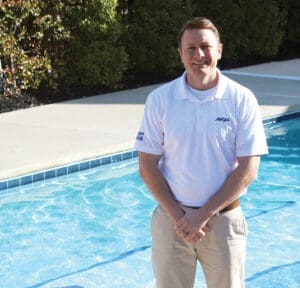
Asp Nick Carver Pr PhotoOur mission at ASP is to create superior value for pool customers in all that we do by leveraging technology, superior knowledge, higher standards, and the relentless pursuit of excellence.

We Make a Splash with Our Customers. We help take all the stress and effort out of pool ownership. Part of what makes ASP’s service so valuable is our commitment to creating custom maintenance plans for each customer’s needs and budget. We are able to provide superior value for customers of all kinds, from homeowners and landlords to property managers. Our goal is to make sure our customers are happy with their pool service.

ASP pool professionals remain focused on keeping pool water safe for all swimmers. Custom pool maintenance plans from ASP give homeowners peace of mind. Our pool service techs are trained to educate pool owners on practicing healthy swimming habits, understanding proper care for pool equipment, and learning how weekly pool cleanings can reduce the spread of recreational water illnesses.

Why ASP? Why do pool owners trust ASP for outstanding swimming pool service in Panama City? 1) Technology – ASP’s proprietary software platform, PoolOps©, automatically emails you a weekly digital report after each visit that includes the time of service, services performed, chemical balance, chemicals added and a picture of your cleaning swimming pool. 2) Professional Service – We use superior training programs, rigorous certification requirements, comprehensive employee background checks, and higher insurance protection. 3) Knowledge and Experience – The Panama City team are trained and certified pool professionals who have completed ASP’s nationally recognized training program.

Create Your Backyard Oasis. The more time pool owners are spending at home, the more they realize the importance of upgrading their backyard aesthetics and transforming their pool area to the mini oasis they always wanted. We can help upgrade your pool with energy efficient equipment, add custom features, resurfacing, liner replacement, and much more.
This pool season, and throughout the year, make sure your pool is kept healthy, properly maintained, and looking its best. Contact one of our certified pool professionals, for your swimming pool service needs by visiting asppanamacity.com, email pcboffice@asppoolco.com, or call (850) 604-4417. Find America’s Swimming Pool Company of Panama City on Facebook @asppanamacity.

Time with Wine: Dancing Hares Vineyard

At Kwiker Liquor, we know that the key to having a great selection of fine wines is knowing a great selection of Vintners and Winemakers. We take pride in cultivating these relations to bring the very best to our customers in the Panhandle. This month we called on our friends from Dancing Hares Vineyard to share their story with us:

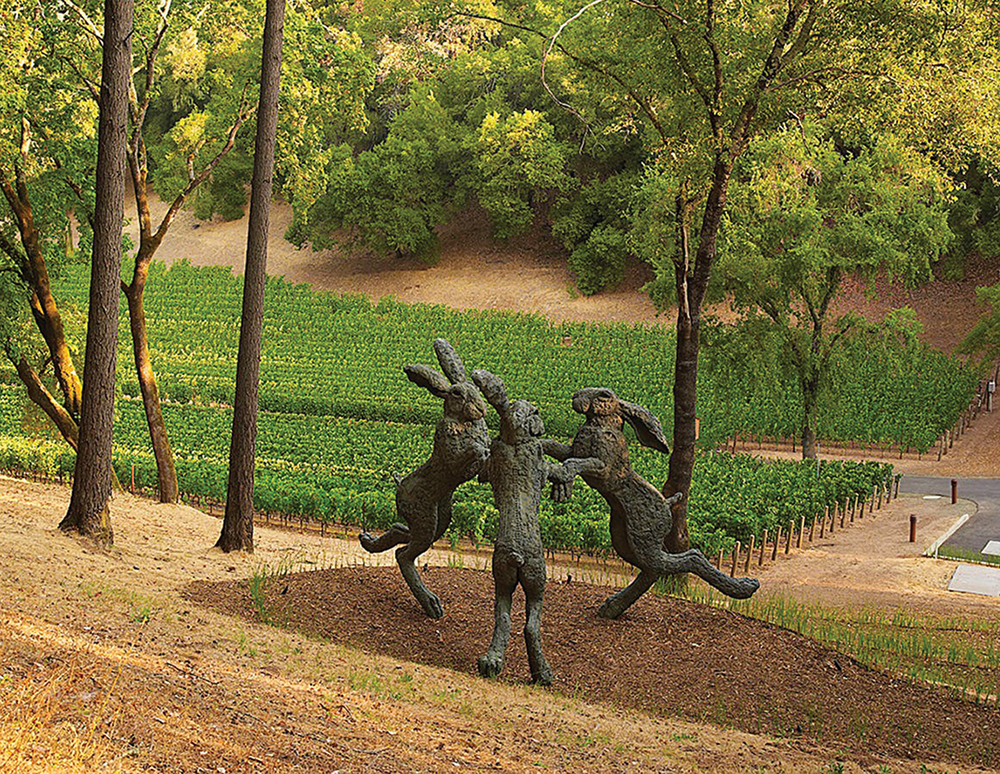
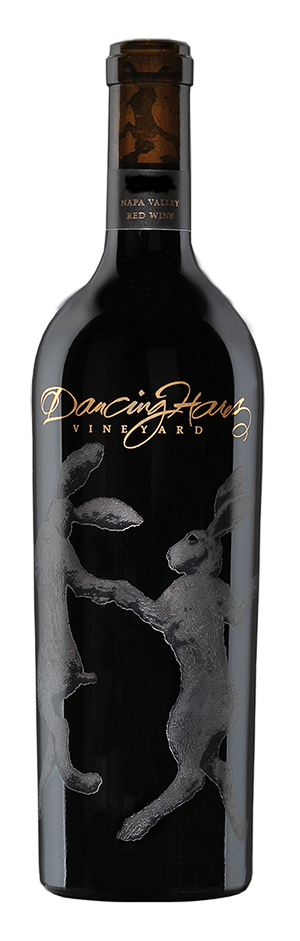
Dancing Hares HaresDancing Hares Bottle Shot (1)In the year 2000, five acres of Bordeaux varietals were planted on rocky, porous soils at the base of Howell Mountain, called Dancing Hares. Now known as AMULET ESTATE but with a more distinct focus on a portfolio of single vineyard Cabernet Sauvignon, they still show an appreciation for the past as they continue to honor the traditions of Dancing Hares and produce a wine of elegance and grace, aged for nearly two years in new and neutral French Oak barrels.

With less than 1,000 cases produced, the 2016 growing season was a nearly perfect growing season thanks to optimal weather conditions throughout the Napa Valley. Winemaker Shawn Johnson, together with consulting Winemaker Philippe Melka, blended this vintage of Dancing Hares from primarily Cabernet Sauvignon with a small amount of Petit Verdot and Merlot.

Lisa Perrotti-Brown of The Wine Advocate awarded this wine 95+ points and offered the following tasting notes: “The deep garnet-purple colored 2016 Dancing Hares Proprietary Red is boldly scented of crème de cassis, mocha, plum preserves and dried lavender with touches of black olives, spice box, Sichuan pepper and cigar box. Full-bodied with bags of black fruits and exotic spices on offer in the mouth, it has a firm yet velvety frame and just enough freshness, finishing very long.”

The 2016 Dancing Hares is yet another jewel in the crown of this unique, distinctive and historic piece of land in St. Helena. It’s the result of the collaboration between so many notable individuals and a reflection of the land, made more beautiful through the art of winemaking.

Kayak Rentals at Camp Helen State Park

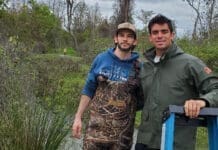
Camp Helen Kayaking BoysCamp Helen State Park offers kayak rentals, adding to the already wide range of park activities. Sponsored by the Friends of Camp Helen, kayak rentals on Lake Powell will begin full time this Spring, seven days a week from 9 a.m. to 5 p.m.

Single Kayaks are $15 per hour and tandem kayaks and SUPs are $20 per hour. Half-day rentals are available from 9 a.m. to 1 p.m. and 1 p.m. to 4 p.m. and are $45 for single kayaks, $60 for tandems and SUPs.

Reservations will be available online at www.friendsofcamphelen.org or by calling (850) 890-6981.

In addition to kayak rentals and SUP rentals, the Friends of Camp Helen will have items such as shirts, water bottles, dry bags, etc. for sale in the tiki hut by the lake.

The Friends of Camp Helen State Park is a not-for-profit Citizens Support Organization dedicated to preserving, maintaining, and improving the park through volunteer projects, community events and fundraising. Their upcoming events include Movies and More this summer and a pumpkin patch this Fall.

Camp Helen and nearby Lake Powell, the largest coastal dune lake in Florida, provides hiking, swimming, beachcombing, nature study, and fishing.

The 180-acre park is for day use only and is located west of Panama City Beach on U.S. 98 at the west end of the Phillips Inlet Bridge, just inside Bay County.

More information is available at facebook.com/FriendsOfCampHelenStatePark, by calling (850) 890-6981 or by emailing CampHelenFriends@gmail.com.

Fighting Child Hunger, One Meal at a Time

By Anna McKay

Food For Kidz FoodWhen was the last time you wondered when or where your next meal would come from? For many children in Bay County, hunger is more than a temporary discomfort — it dominates their lives. In the aftermath of Hurricane Michael and with working hours lost to the pandemic, it’s likely that numbers are higher than the 22.3% food insecurity rate for children reported by Feeding America for Bay County in 2018. Food insecurity can show up in a number of ways in everyday routines. For example, children may struggle to pay attention in school and develop neurological deficits which can lead to a lower IQ, and not retain information learned in classrooms. Aside from educational hindrances, malnourishment can also stunt physical growth, cause behavioral issues, and lead to life-threatening illnesses.

Food4Kidz is a local 501 (c) organization whose mission is to help struggling families by utilizing food agency partnerships to stock a full-service food bank with everyday groceries free of charge. They deliver food to families in the area via private appointments for families that may have a transportation challenge and are unable to shop in their neighborhood. Everything is done in a confidential manner to protect the dignity of the parents and children. They also have centralized, mobile food pantries at churches and schools around town. Groceries include meats, fresh produce, dairy items, baby food, and canned goods to fully equip families to prepare a well-balanced meal. Local businesses including, but not limited to St. Joe Community Foundation, Mike’s Diner, J Michael’s, Daystar Cleaning, Greg’s Roofing, Bill Cramer Chevrolet, The Sleep Center, Gulfview United Methodist Church and Tricked Out Car Club all help host or finance community efforts that Food4Kidz needs to survive as a non-profit.

The bottom line is that children who don’t have a choice, don’t have a voice. Whether or not their adult caretakers are “sincerely needy” or not is an entirely separate issue for the children that are considered food-insecure in the Panama City area. With just a $10 donation, you can provide 10 meals for a child through their program. $100 can feed an entire family for a month. Food4Kidz believes that nutrition fuels happy and healthy hearts. As a registered non-profit charity in the state of Florida, your contributions are fully tax-deductible. While financial assistance is what funds the organization’s operations, product or services donations are humbly accepted as well. Donations will go towards food costs, building rentals and utility bills, transportation costs, and equipment rentals. Food4Kidz also frequently allows volunteers to host events or opportunities for civic engagement groups at churches, schools, businesses, and any individuals that would like to make a real difference in the lives of children. Featured needs are frequently updated on their website for anyone that would like to consider donating grocery items that are needed the most. This is also where you can find local business drop-off sites to volunteer your time in a COVID-safe way.

Community support is the only thing that can help solve this crisis. To find out more information on how to get involved and where your dollar can make the most impact, visit: www.Food4Kidz.org.

A Pastor’s Ponderings: Tension and Prejudice?

Dave HollandBy Dave Holland

“As the time approached for him to be taken up to heaven, Jesus resolutely set out for Jerusalem. And he sent messengers on ahead, who went into a Samaritan village to get things ready for him; but the people there did not welcome him, because he was heading for Jerusalem. When the disciples James and John saw this, they asked, “Lord, do you want us to call fire down from heaven to destroy them?” But Jesus turned and rebuked them, and they went to another village.” Luke 9:51-56, NIV.

Jesus saw the disciples returning, chests puffed out and faces swollen with anger. Self-righteous indignation drove their steps. Turns out, the Samaritans were not receptive to Christ and they didn’t want Jesus to spend the night in their area. Rejection always stings.
Christ and His disciples left the clamoring crowds in their native region Galilee. The Lord performed many miracles and fed the multitudes there. His popularity caused people to push and shove to be near Jesus. Now, He “resolutely” turns south toward those who oppose Him–the religious centers in Judea and Jerusalem. The transition in Christ’s life would prove deadly.

On the way to the Holy City, the disciples encounter the obstinate Samaritans. This rejection was a warm-up for Jerusalem and the unfolding of God’s plan.

Samaritans were the descendants of the 10 Hebrew tribes who broke away from what we know as Judaism. They set up their own kingdom and religion. Over the years they intermarried with pagan peoples who diluted their faith further. As Jesus passes through, they are not interested in Him or his brand of religion.

The disciples, sent ahead to prepare accommodations, were denied service in Samaria. Practically, this meant that they would go without dinner and walk many more miles through the night before leaving Samaria. Stung by the Samaritan’s racial and religious prejudice, the disciples want Jesus to call down fire from heaven to destroy them all. They are on the road with Christ, but not yet on the same page.

Jesus rebukes the disciple’s angry response and moves on.

This passage shouts the question, “How do you react when treated badly?” The disciples demand vengeance, but Christ pivots away. This rejection was preparation for the cross ahead. It was an opportunity to love the unlovable, and the disciples failed.

Every Christian will travel the road to the cross. This path leads to self-denial. Jesus said that every disciple must pick up their cross and follow Him. Along the way, we will experience rejection. Will we react with anger like the disciples, or will we simply turn and follow Christ?

God loves the rejectors and the angry disciples. Author Brennan Manning wrote, “God has a single relentless stance toward us: He loves us. He is the only God man has ever heard of who loves sinners.” Romans 5:8 affirms, “…while we were yet sinners, Christ died for us.” All of us.

Rejection challenges our character. So, the question now becomes, “Will you choose to love people who reject or mistreat you?”

Jesus continues His mission, trudging through the night toward Jerusalem. The disciples follow, quiet as sheep.

How will you act in response to rejection? How will you respond to the bad behavior of others? Prejudice, racial tension, selfishness, rejection and all the unjust events of life are the proving grounds of love. This is the road to the cross. No cross, no crown.

Dave Holland pastored churches for 38 years before retiring in Destin. He recently released his new devotional-Bible study based on the Gospel of Luke titled “Extraordinary Jesus: Ignite Your Season of Miracles.” You can get a copy of this book from his website, DaveHolland.org, or at Amazon.com. Pastor Dave is available to preach and teach in churches and conferences.

Prevention 101: 20s, 30s, 40s

Dr Stacy KehlBy Dr. Stacy Kehl

Last month, we discussed the importance of getting in to see your healthcare provider for routine checkups and care. Taking the time for preventive care is a critical step in avoiding a serious event or condition that causes irreversible damage. From a healthcare perspective, it is always better to prevent a disease than to treat one. The US Preventive Services Task Force (USPSTF) provides evidence-based clinical guidelines for prevention of all types of diseases and conditions based on age, gender or risky behaviors (e.g., tobacco, alcohol, sedentary life to name a few). In this article, I will summarize some of the recommendations for routine screenings that you can discuss with your healthcare provider. For more detailed information, readers can also review USPSTF recommendations online at uspreventiveservicestaskforce.org/uspstf/recommendation-topics/information-for-consumers.

20s: Aahhh, life is good in your 20s, right? No worries, you’re still in your prime! Hit the beach without sunscreen. Eat fast food. Exercise…who needs that? Stay up all night…you can handle it! And the truth is, you probably can for now, but the things you do (or don’t do) and habits you form (or not) in your 20s will catch up with you later in life. Recommendations for this decade include screening for sexually transmitted diseases (HIV, hepatitis B, chlamydia, gonorrhea, and syphilis). Women who are considering becoming pregnant (or not preventing pregnancy with a reliable and consistently used means of contraception) should be taking folic acid to prevent birth defects. Cessation of alcohol, drugs and tobacco should be discussed as well as the long-term consequences of continued use of these substances. And, because we live in the Sunshine State – skin cancer prevention cannot be overlooked! Wear. Sunscreen. Daily.

30s: Raising kids, working, managing a household…when did life get so complicated and busy?! We seem to be taking care of everyone else except ourselves. USPSTF recommends that women aged 21-65 should have cervical cancer screening (screening intervals are based on each woman’s personal and family history). Everyone should have screening for high blood pressure starting in their 20s, but most certainly by the third decade. During this time of stress and frequently anxiety, depression isn’t uncommon, so screening for depression should also take place. And by now, we should be thinking about cardiovascular risk factors (smoking, family history, cholesterol, blood pressure, obesity) and taking steps to mitigate those risks, such as routine exercise and a healthy diet.

40s: Is 40 really the new 30? It can be, if you are taking the steps to keep yourself fit and healthy. Along with the other recommendations mentioned above, which we should continue to do throughout our 40s, USPSTF also recommends that people in their 40s have screening for Type 2 Diabetes. For women, routine mammograms should be undertaken (discuss with your provider the appropriate time intervals for this). Additionally, people in their 40s should have routine checks of their cholesterol, and discuss the possibility of cholesterol medication (e.g. “statin”) if they have certain risk factors. In our 40s, we should continue to exercise to maintain a healthy weight, cholesterol level and blood pressure. Weight-bearing exercise can also help us maintain bone density, which helps to prevent osteoporosis in later years.

Stay posted…next month, I will delve into the recommendations for the next four decades of life (yes, I said four). With regular care and maintenance, we can live (not just survive), well into our 80s and remain productive, healthy, and happy.

Dr. Stacy Kehl is a Family Nurse Practitioner with Elements Primary Care, 8406 Panama City Beach Pkwy., Suite K, Panama City Beach. Call (850) 708-1623 or visit ElementPCP.com.

What Makes Samuel Taylor Homes a Premier Bay County Builder?

Jennifer LedesmaBy Jennifer Ledesma,
Managing Broker, Berkshire Hathaway HomeServices Beach Properties of Florida

With a focus on high quality construction and sustainable living, Samuel Taylor Homes has established themselves as a premier builder in Bay County and the surrounding region by their commitment to excellence. Samuel Taylor Homes was founded in 2011 by Matt Brandman and Hunter Collins who have been in the home building industry for a collective 40+ years. The vision was to build exceptional new homes with details and finishes that customers want with a streamlined, stress-free construction and design process.

Bhbp Samuel Taylor 1“Every home is designed and constructed with quality craftsmanship and materials, and a keen understanding of the homeowner’s needs and wishes. Talk to us about your ideas for your new home. We’re happy to share our thoughts and offer advice so that together we can make your dream home a reality,” says Matt Brandman.

Every Samuel Taylor home is designed with a focus on Building Science. The advanced construction technology built into each home ensures that from move-in day and every day thereafter, homeowners will enjoy a comfortable living environment indoors and have far less maintenance outdoors. These sustainable features begin from the preparation of the home site and the pouring of the monolithic slab foundation all the way through to the final inspection.

Bhbp Samuel Taylor 2Samuel Taylor Homes collaborates with industry innovators to offer eco-friendly and high-end options for appliances, plumbing fixtures, hardware, countertops, flooring, lighting, and more. Energy and water conservation is another sustainability priority. Efficient materials, fixtures, and designs are chosen specifically to reduce the environmental impact long term.
Current new home projects for Samuel Taylor include Breakfast Point, SweetBay, and Sunrise at East Bay. Each of these communities offer beautiful new home opportunities as well as fantastic neighborhood amenities.

Breakfast Point is a charming community conveniently positioned off Hwy 98 with easy access to shopping, dining, and is just 2 miles from the beautiful, white sandy beaches of the Emerald Coast. The community boasts high-caliber schools (including Breakfast Point Academy) and a grocery store at its entrance, and it’s just a few miles from shopping districts, a sports and aquatics center, and the beach.

SweetBay is a picturesque, waterfront community with outstanding amenities including a beautiful neighborhood pool, barbeque grilling station, and access to North Bay. Multiple parks sprinkle the landscape, giving residents charming scenery as they enjoy their walkable community. SweetBay also offers its own University Academy, located right in the heart of the community.

Sunrise at East Bay is a secluded oasis, perfect for those looking for peaceful surroundings and a short drive to town. Walkable streets and a community dock make Sunrise the perfect place for kayaking, paddle boarding, and catching a stunning sunset or sunrise over the water.

New homes from Samuel Taylor Homes in these three beautiful communities offer a variety of floor plans with open concept living, covered porches for enjoying the outdoors, secondary living spaces, a choice of exterior design styles, and exceptional details. For more information, call (850) 588.4395, email baynewhomes@bpfla.com, or visit www.samueltaylorhomes.com.

Are Electric Vehicles in Your Investing Future?

Maurice StouseBy Maurice Stouse, Financial Advisor and Branch Manager

So much is being written and said about electric vehicles. The new administration, investors, environmentalists, car enthusiasts and just about anyone has heard about them of has an opinion on them. What then is the current and future state of electric vehicles from cars to buses, to tractor trailers and even school buses? And what will be the impact on the various forms of energy consumption?

Electric vehicles (EVs) are not new. According to the U.S. Department of Energy, the first electric cars were introduced well over 100 years ago. Early on the likes of Thomas Edison and Henry Ford collaborated on ideas for electric cars as far back as 1914. Ironically, it was Henry Ford’s mass production of gasoline powered vehicles that lead to the decline of EVs at the time. Gas powered vehicles proved to be less costly to produce, less costly to run and were more powerful and would go greater distances than EVs. The Energy Department went on to say that the early attraction of EVs was due to their being quieter, cleaner—however they were best suited for short distances. They were also two and half times more costly. It was not until Americans became more mobile that the demand for gas powered vehicles took on added growth. What then are the considerations for investors?

First, break down the components of EVs: There are electric passenger cars, light duty vehicles, and growing development of public transportation buses, school buses and freight vehicles like 18 wheelers. Investors see opportunities in the design, manufacture of all of these through the various companies in America and abroad. There is growing interest in public transportation buses and school buses, since they travel shorter distances on a given day and require less recharging of their batteries. This would also include the suppliers to these firms which include engines, batteries and drive trains. Interested investors can invest directly through these companies in the form of common stock or through several funds (mainly exchange traded funds).

Raymond James recently released its annual report on electric vehicle adoption. It includes a review of the EV industry as well as the potential impact it will have on the fossil fuel industry. That impact remains to be seen and, as of this writing energy stocks have rallied significantly from their 2020 lows. Reasons for this have been pointed out: 1) the economy is seen emerging from the effects of the pandemic, 2) inflation and the history of outperformance that energy stocks have typically enjoyed in times of price inflation 3) energy companies are investing at a rapid pace in to green or renewable energy.
The growth of EVs is going to have an impact on world oil consumption according to the Raymond James report. Today, electric vehicles sales make up 1% in the USA but are substantially higher in China (7%) and Europe (3%). In fact, the USA is a distant third to China and Europe in EV sales EVs on the roads. How significant might that impact be? According to Raymond James, it is having an impact today of approximately .6% of the world’s daily oil demand, expressed in millions of barrels per day (BPD).

The world currently consumes about 100 million BPD which is up from about 90 million BPD ten years ago. Expressed in numbers, about 576,000 barrels per day less are being used by autos since those are electric. By 2025 that is expected to have an impact of 1.95 million BPD or about 2% of today’s consumption. Where might this be in 2030? The EV leaders profess that it will be substantial. It really depends upon the growth of the EV market. Market share of sales ended 2020 at 6.9% of vehicle sales in December and 4% for the year worldwide. That is a year over year increase of 41%. It also depends upon recharging infrastructure and battery life as well.

What are considerations for investors who have an interest in investing in EVs? First, do your research or work with an advisor to learn about and discover potential opportunities. When analyzing and looking at investment, consider both value and growth. A value investor might look at legacy bus or semi manufacturers and determine if they hold value because of potential users within their current markets. Also, what about batteries? There are a host of equities and ETFs that offer opportunities. As always this involves risk and a personal analysis of the amount of risk and the amount of money you might want to risk.

Maurice Stouse is a Financial Advisor and the branch manager of The First Wealth Management and Raymond James and resides in Grayton Beach. He has been in financial services for over 33 years. His main office is located at First Florida Bank, a division of the First, A National Banking Association, 2000 98 Palms Blvd, Destin, FL 32541, with branch offices in Niceville, Mary Esther, Miramar Beach, Freeport and Panama City, Pensacola, Tallahassee and Moultrie, GA. Phone 850.654.8124. Raymond James advisors do not offer tax advice. Please see your tax professionals. Email: Maurice.stouse@raymondjames.com. Securities offered through Raymond James Financial Services, Inc. Member FINRA/SIPC, and are not insured by bank insurance, the FDIC or any other government agency, are not deposits or obligations of the bank, are not guaranteed by the bank, and are subject to risks, including the possible loss of principal.

Investment Advisory Services are offered through Raymond James Financial Services Advisors, Inc. The First Wealth Management First Florida Bank, and The First, A National Banking Association are not registered broker/dealers and are independent of Raymond James Financial Services. Views expressed are the current opinion of the author, not necessarily those of RJFS or Raymond James, and are subject to change without notice. Information provided is general in nature and is not a complete statement of all information necessary for making an investment decision and is not a recommendation or a solicitation to buy or sell any security. Past performance is not indicative of future results.

Investing involves risk and you may incur a profit or loss regardless of strategy selected, including diversification and asset allocation. Investors should consult their investment professional prior to making an investment decision.

Sustainable/Socially Responsible Investing (SRI) considers qualitative environmental, social and corporate governance, also known as ESG criteria, which may be subjective in nature. There are additional risks associated with Sustainable/Socially Responsible Investing (SRI), including limited diversification and the potential for increased volatility. There is no guarantee that SRI products or strategies will produce returns similar to traditional investments. Because SRI criteria exclude certain securities/products for non-financial reasons, investors may forego some market opportunities available to those who do not use these criteria.

Subscribe to RSS
Secret Link