Home Blog Page 214

Emerald Coast Theatre Company Presents “Comedy On The Boulevard” On March 12 

Emerald Coast Theatre Company (ECTC) invites audiences for the year’s first Comedy on the Boulevard, a one-night comedy showcase taking place at 7 p.m. on March 12 at ECTC’s theatre located in Grand Boulevard. Featuring some of the Southeast’s most entertaining stand-up comedians, this event promises an evening packed with big laughs, quick wit, and entertainment.

Hosting the evening is ECTC favorite Jason Hedden, fresh off his recent turn as Monsieur Bouc in Murder on the Orient Express. March’s Comedy on the Boulevard will be headlined by Nathan Wallace, a standout comic known for his high energy and crowd-pleasing humor who traded being a plumber in for comedy. Rounding out the lineup is Holly Ballantine, whose relatable storytelling have earned her a growing fan base across the region. Together, the trio brings a dynamic mix of comedic styles, ensuring there’s something for everyone.

Ectc S13 Emailsig

“Comedy on the Boulevard is all about bringing people together for a fun and relaxed night out,” said Nathanael Fisher, Producing Artistic Director of ECTC. “We’re excited to continue to showcase great comedic talent while giving our community a chance to experience something different on our stage.”

Comedy on the Boulevard is proudly supported by presenting sponsor, BlueWater Oral Surgery Center. ECTC’s 2025–2026 season is made possible with generous support from Grand Boulevard Town Center, St. Joe Community Foundation, Visit South Walton, Howard Group, and Jerry and Alice Zich.

To make a tax-deductible donation, become a VIP or sponsor, or learn more about Emerald Coast Theatre Company, call (850) 684-0323 or visit emeraldcoasttheatre.org. Follow ECTC on Facebook, Instagram, and YouTube for the latest updates.

ABOUT EMERALD COAST THEATRE COMPANY 

Emerald Coast Theatre Company is a 501(c)(3) nonprofit professional theatre founded in 2012 by Nathanael Fisher, MFA, and Anna Fisher, MA. Located in Miramar Beach, Florida, ECTC’s mission is to enrich and entertain the Emerald Coast community through professional productions, engaging educational programs, and a steadfast commitment to the arts. Educational outreach includes after school and homeschool programs, touring and staged productions, summer camps, workshops, and classes that inspire creativity and connection for students of all ages. 

Why Spring at Austin Music Co. Is the Ultimate Time to Pick Up an Instrument (and Maybe a Few Antihistamines)

By Michael Austin

Because Nothing Screams Musical Genius Like Pollen and a Ukulele!

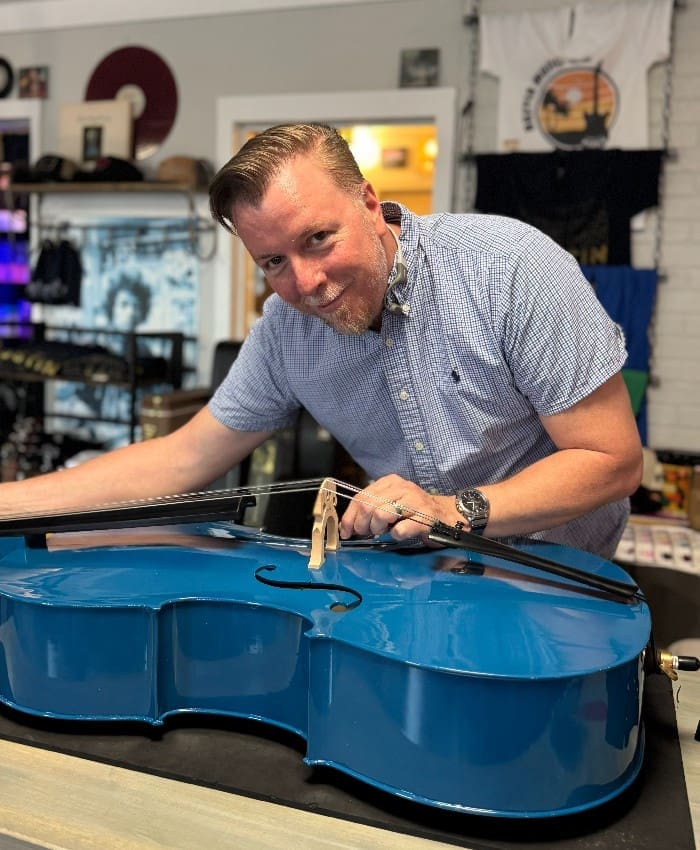
Let’s face it: learning to play an instrument is one of those noble pursuits that promises to make you feel smarter, cooler, and possibly more mysterious—all at the same time. But did you know the secret to unlocking your inner musical superstar might just be timing? Specifically, learning at Austin Music Co. during the spring season. Yes, spring. Not summer, not winter, and definitely not fall (that season’s too busy with pumpkin spice everything and existential dread). So, dust off your guitar, polish your clarinet, and let me tell you why springtime at Austin Music Co. is the absolute best—and possibly most hilarious—season for musical mastery.

Spring Fever: The Musical Kind

First, there’s the undeniable energy that comes with spring. The birds are singing, the sun starts peeking out, and your neighbor finally stops wearing that oversized parka. It’s like nature is cheering you on, urging you to pick up a saxophone and join the chorus. At Austin Music Co., spring means open windows, fresh air, and the faint sound of someone attempting “Smoke on the Water” for the first time (bless their soul). You can practically feel inspiration blooming alongside the azaleas.

Allergies as Inspiration

Now, some say spring is a dreaded time for allergies. But at Austin Music Co., we see allergy season as an opportunity. That sneezy, sniffly, nasally voice is the perfect starter pack for any aspiring blues singer. If Bob Dylan could make raspy cool, so can you. Plus, if you’re stuck indoors avoiding pollen, what better way to pass the time than learning to shred a solo on your electric guitar?

Austins Music Tuning Guitar 8977

Wardrobe Freedom

Let’s talk attire. Winter is all about bulky gloves and coats, which, frankly, make learning piano feel like trying to play with oven mitts. Summer is sweaty—your hands slip off the keys, and nobody wants to see that. Fall? You’re too busy raking leaves and watching football. But spring? Spring is the Goldilocks of seasons: not too hot, not too cold, and absolutely perfect for finger flexibility. At Austin Music Co., you can finally sport those cool band tees without freezing or sweating buckets. Your fingers will thank you, and your sense of style will, too.

Instruments in Bloom

There’s something about spring that makes even dusty instruments look lively. Guitars glisten in the sunlight, violins sound sweeter, and the harmonicas? Well, they’re still harmonicas, but at least they feel fresh. Austin Music Co. takes advantage of the season by hosting jam sessions in the store, where the only thing louder than the music is the collective laughter of students remembering they’re absolutely tone deaf. Don’t worry, we’re all in this together.

Spring Discounts and Musical Mayhem

Let’s not ignore the practical perks. Austin Music Co. rolls out some of its best deals during spring—because what says “rebirth” better than a 10% discount on drum accessories? But beware: these deals also mean you might be competing for practice space with a surge of enthusiastic newbies. There’s nothing quite like hearing a cacophony of beginner flutists, all convinced they’re playing “Hot Cross Buns” (the actual result: “Hot Cross Chaos”).

Social Butterflies with Guitars

Spring is also when people emerge from hibernation, turning Austin Music Co. into a bustling hub of musical camaraderie. You’ll find yourself surrounded by fellow students, swapping stories, tips, and possibly hand sanitizer. Friendships forged in springtime music class are scientifically proven (by me) to last longer than those made in winter, when people are cranky and cold, or summer, when sweat levels make handshakes awkward.

Final Notes (Pun Absolutely Intended)

So, if you’re considering learning an instrument, ignore those fall flyers and summer posters. Embrace the pollen, the laughter, and the sweet sound of spring at Austin Music Co. Who knows? Maybe this season will finally transform you from “air guitar enthusiast” to “actual guitar player.” Or at least you’ll have some great allergy stories to share at your next jam session. Happy spring strumming!

Every Minute Matters: Finishing Strong Together

From the Desk of Superintendent Mark McQueen

March is here, and across Bay District Schools, our classrooms are in full stride. The spring semester is well underway, bringing renewed focus, energy, and opportunity for our students. I’m grateful for the continued support of our Panama City Beach families; your partnership truly helps set the tone for success.

Spring is an especially important stretch in the school year. With Florida state assessments beginning in early April, classrooms are focused on reviewing key skills, strengthening understanding, and building student confidence. These weeks are filled with meaningful instruction and hands-on learning experiences that make a lasting impact, and they are most powerful when students are present and fully engaged.

Regular attendance plays a critical role in student success. When students are in school consistently, they stay connected to daily lessons, benefit from collaboration with peers, and build positive habits that carry far beyond the classroom. Even a handful of absences during this crucial period can create gaps that are difficult to close.

At Bay District Schools, “Putting the A Back in Bay” means focusing on our core pillars, including Academic Excellence and Attendance. Showing up every day, ready to learn, is one of the most important ways students can set themselves up for success.

As we head into this important season, let’s continue working hand in hand to make every minute count.

Thank you for being such valued partners in your child’s educational journey!

Living History: Second Graders Take Center Stage at Breakfast Point Academy

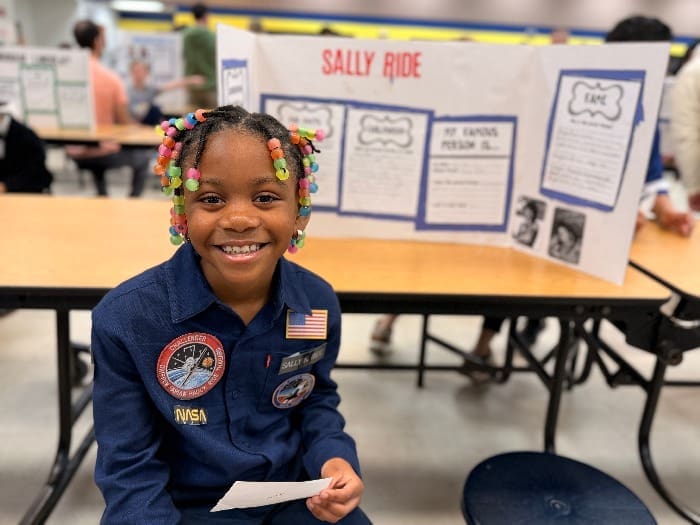
History came to life at Breakfast Point Academy as second-grade students transformed themselves into famous figures from the past during the school’s annual Wax Museum.

For more than a decade, this signature event has challenged students to step into history by researching notable individuals, dressing the part, and presenting what they’ve learned. Each student selected an important historical figure, created an informational poster, and wrote a first-person speech highlighting that person’s life and accomplishments. With a simple “press of a button,” a sticker placed on their hand, each “statue” sprang to life, confidently sharing their story with visitors.

The project seamlessly blends academic standards with creativity and performance. From gathering credible information and organizing research to drafting, revising, and practicing public speaking, students demonstrated both courage and curiosity. Families, staff, and classmates strolled through the living museum, experiencing history in an interactive and memorable way.

“I’m so proud of all their hard work. They’ve learned a lot about researching and how to present this information,” said Megan Hickman, a second-grade teacher at the school.

For many students, the Wax Museum is a milestone moment. Some eagerly anticipate the experience for years after watching older siblings participate. When their turn arrives, they embrace the opportunity to take center stage, sharing knowledge and enthusiasm with confidence beyond their years.

More than a fun tradition, the Wax Museum reflects the school’s commitment to meaningful, hands-on learning. By combining research, writing, creativity, and presentation skills, Breakfast Point Academy’s second graders gain valuable tools that extend far beyond the classroom, proving that when students step into history, they also step into growth.

FSU Launches Free Veteran Entrepreneurship Certificate Program in Bay County

Florida State University’s Jim Moran College of Entrepreneurship, in partnership with Veterans Florida, is launching a new Veteran Entrepreneurship Certificate Program in Bay County, providing free, in-person entrepreneurship training for veterans, service members, and military-connected families in Northwest Florida.

The program will run May 9th and 16th from 9 a.m. -3:30 p.m. at the FSU Panama City campus and space is limited. Building on the Veterans Florida Getting Started model, the program emphasizes practical startup fundamentals, including business registration, marketing, financial basics, and access to capital. The program is designed to help veteran entrepreneurs quickly move from idea to execution while building strong connections to the local entrepreneurial ecosystem.

“Veterans bring discipline, leadership, and problem-solving skills that translate naturally into entrepreneurship,” said Eric Liguori, associate dean for research and external relations in the Jim Moran College of Entrepreneurship. “This program is about meeting veterans where they are, providing practical tools, and surrounding them with a community that helps turn ideas into viable businesses.”

FSU Panama City serves one of the state’s most veteran-dense regions, making Bay County a strategic location for expanding access to entrepreneurship education and small business support.

“FSU Panama City is proud to support programming that aligns education, workforce development, and entrepreneurship in service of our veteran community,” said Randy Hanna, dean of Florida State University Panama City. “This program strengthens regional opportunity while honoring the experience and potential veterans bring to our local economy.”

Program registration is now open.
Register here: https://fsu.qualtrics.com/jfe/form/SV_24cOh6P8Vpy9REq

Graduates will receive a certificate of completion from the Jim Moran College of Entrepreneurship and gain access to the Jim Moran Institute’s statewide alumni network of more than 2,700 Florida business owners.

For more information on this program, including sponsorship and partnership opportunities, please contact Dr. Eric Liguori at eliguori@fsu.edu.

GCSC Honors Students Present Research at National Journalism Symposium


Gulf Coast

Students in the Gulf Coast State College Academic Honors Program presented their research projects at the American Journalism Historians Association (AJHA) Southeast Symposium on Saturday, February 7, in Panama City. This annual conference showcases outstanding undergraduate researchers in history, journalism, and communication from across the Southeast. This year’s faculty cohort included scholars from the University of Alabama, Augusta University, the University of Southern Mississippi, the University of Florida, the University of West Florida, and Samford University.

GCSC students Lauren Logue, Maximo Ramirez, Joseph Hoffman, and Casey Zeng, under the guidance of GCSC faculty member Dr. Patrick Brennan, presented projects developed through his Independent Research Honors Symposium. Their topics reflected impressive breadth and originality, ranging from the history of running shoes to the Wainwright Shipyards, the Civil Air Patrol base located in what is now the Sweet Bay community, and emerging issues in cyber warfare.

“Research requires persistence, organization, and intellectual curiosity. Our students demonstrated excellence in all these areas and represented the college with distinction,” said Dr. Patrick Brennan.

Conference Director Dr. Dianne Bragg of the University of Alabama added, “It was fantastic to have more undergrads this year—thanks for promoting it, Patrick. I think the GCSC students enjoyed the opportunity, and it was great to have them.”

Taming the Green-Eyed Monster: Navigating Healthy Jealousy Together

By Jamie C. Williamson, PhD

Jamie C. Williamson

Jealousy can be toxic or healthy for married couples.

Toxic jealousy is a red flag.  But healthy jealousy can actually signal that you and your partner want to protect your bond.  For healthy jealousy, both partners share the blame for the jealous feelings, and both have a role in determining the impact of jealousy on their marriage.

Toxic Jealousy 

Toxic jealousy is rooted in low self-esteem, insecurity, and a debilitating fear of abandonment. These psychological drivers can transform a loving spouse into a “green-eyed monster” who monitors texts and emails without permission, makes accusations of lying without evidence, engages in controlling behavior, and might even stalk their partner.

People who feel jealousy this intensely are still responsible for controlling their behavior.  Acting out through anger, controlling, and spying is inappropriate, unhealthy, and damaging to the relationship. These obsessive actions lead to conflict and dissatisfaction. If unchecked, they could be considered abusive and constitute a “red flag” of concern that should be addressed professionally.

Healthy Jealousy

Healthy jealousy, by contrast, is a fleeting, manageable emotion that often acts as a protective mechanism for the relationship rather than a sign of dysfunction.

Feelings of jealousy naturally and understandably arise when a person experiences a real or perceived threat to their marital relationship.  Although jealousy is more commonly experienced by people who are insecure, even the most secure people can experience a twinge of jealousy when someone flirts with their spouse and during circumstances that involve loss of time with or attention from their spouse.  Add a bit of vulnerability to the mix, and jealousy escalates, but can still remain healthy.

Fortunately, normal, healthy jealousy can be managed through open communication, trust-building, and mutual reassurances of commitment.

Shared Blame and Joint Responsibility 

Jealousy in marriage is rarely caused by just one person, but rather a combination of one partner’s internal fears and the other partner’s actions (or lack thereof).

Why Blame the Person Who Feels Jealous:

Rooted in Insecurity: Jealousy often stems from personal insecurities, low self-esteem, or past traumatic experiences, rather than the partner’s actual behavior.

Emotional Regulation: Individuals are responsible for managing their own emotions (fear, anger, anxiety) rather than projecting them onto their spouse.

Unrealistic Expectations: Sometimes jealousy arises from unrealistic demands on a partner’s time or social life.

Why Blame the Person Who Causes It?

Inconsiderate Behavior: Actions that trigger jealousy, such as flirting, keeping secrets, or failing to prioritize the spouse, can exacerbate insecurity.

Lack of Trust/Connection: Not providing enough reassurance, emotional closeness, or honesty can foster an environment where jealousy thrives.

Ignoring Boundaries: Continuing behaviors that a partner says makes them uncomfortable shows disrespect and erodes marital trust.

Responsibility of the Jealous Person

While feelings themselves aren’t “wrong,” the individual experiencing them is responsible for managing their internal reactions and behaviors.

Root Causes:  Identify and use approaches that will reduce personal insecurities and increase self-esteem.

Accountability: Be responsible for owning your emotions and communicating them using “I” statements (e.g., “I feel insecure when…”) rather than making accusations.

Behavioral Control:  Practice self-control. Feeling jealous is natural but does not excuse expressing those feelings through antisocial behaviors like controlling or spying.

Responsibility of the Person “Causing” Jealousy

People are not responsible for their spouse’s internal feelings, but they are responsible for their own actions and how those actions affect the relationship’s security.

Avoid Fuzzy Boundaries:  Help create a secure environment. Don’t display secretive behavior, break commitments, or maintain inappropriate closeness with others.

Provide Reassurance: In a healthy marriage, partners act as allies. So, readily offer reassurance and adjust behaviors that may be legitimate jealousy triggers for a spouse.

Be Transparent:  Being open about schedules or interactions builds trust and can help rebuild trust if there has been a past breach.

Bottom Line:  Fix the Problem, not the Blame 

If you and your partner need to navigate healthy jealousy issues, start by acting like cooperative allies.  Avoid the blame game. Concentrate on open communication, setting clear boundaries, and strengthening trust. Jealous partners should examine their insecurities and learn to express their feelings constructively.  At the same time, the triggering partners should be mindful of their spouse’s vulnerabilities and intentionally avoid actions that will activate their spouse’s insecurities and jealousy. Together, you can tame the green-eyed monster.

Let me know if I can help. 

Jamie C. Williamson, PhD is a FL Supreme Court Certified Family Mediator and member of the Gottman Referral Network, with a Certificate in the Science of Wellbeing and Happiness from the Harvard School of Medicine. She is an owner and partner at Amity Mediation Workshop, a mediation practice specializing in “friendly divorce” mediation and psycho-educational couples counseling. Dr. Jamie speaks frequently on relationship topics like jealousy and authors the blog “Work it Out”.  You can find her online at amitymediationworkshop.com.  

Inside the Therapy Room: What Really Happens in a Session

By Michael McManus LCSW, Psychotherapist

Screenshot

For many people, starting therapy can feel like stepping into unfamiliar territory. What does a therapist actually do? What happens in a session? And how does talking to a professional lead to lasting change?

At its core, psychotherapy—also called counseling or talk therapy—is a process that helps people explore their emotions, thoughts, and behaviors in a safe, private, and supportive environment. Therapists are trained to help clients gain insight into their patterns, manage anxiety or depression, recover from trauma, improve relationships, and cultivate personal growth.

The First Session

The first meeting is often about building comfort and gathering background information. Your therapist may ask what brings you in, what’s been troubling you, and what goals you’d like to reach. It’s also a time for you to ask questions—about the therapist’s style, confidentiality, or what therapy might look like. Many clients feel relief simply from being heard without judgment.

What Therapists Actually Do

Good therapists don’t just listen; they guide conversations in ways that promote awareness and change. They may highlight recurring themes, reflect emotions, or help connect past experiences with current challenges. Depending on their approach, a therapist might use specific techniques like:

  • Cognitive-behavioral therapy (CBT): Challenging unhelpful thinking patterns and replacing them with realistic, balanced thoughts.
  • Psychodynamic therapy: Exploring how early experiences shape present behavior and relationships.
  • Humanistic or person-centered therapy: Emphasizing self-acceptance and aligning behavior with one’s true values.
  • Mindfulness-based therapy: Developing awareness and presence to reduce reactivity and stress.

Most therapists blend several methods to fit each client’s needs rather than adhering rigidly to one model.

Common Themes in Therapy

People come to therapy for countless reasons—relationship conflicts, grief, anxiety, stress, or a search for meaning. Over time, certain themes often surface: setting boundaries, improving self-esteem, healing wounds from the past, identifying personal values, or reclaiming a sense of agency in life.

The Path Toward Growth and Healing

Therapists help clients grow by doing more than offering advice—they create conditions where insight, self-compassion, and change can occur naturally. They model empathy, curiosity, and acceptance, helping clients internalize these attitudes toward themselves. Progress often unfolds gradually as clients learn to tolerate difficult feelings, challenge limiting beliefs, and practice new ways of thinking and relating.

Beyond Symptom Relief

The ultimate goal of therapy isn’t only to reduce distress but to foster self-actualization—the process of becoming one’s fullest, most authentic self. Clients begin to see their challenges not just as problems to fix, but as opportunities for growth. A successful therapeutic relationship helps people rediscover their own resilience, wisdom, and capacity for joy.

In the end, therapy is less about being told what to do and more about learning how to listen deeply—to one’s own mind, body, and spirit—and using that understanding to live with greater freedom and purpose.

Michael McManus LCSW is a psychotherapist in private practice in Santa Rosa Beach. He can be reached by text or phone at 1-850-837-0123 or visit psychotherapy30A.com

When Spring Comes Back to Life

By Dr. Richard Chern, MD 

Dr Richard Chern 2023 (1)

We don’t notice it happening at first. Winter rarely announces itself all at once—it settles in quietly. Shorter days. Colder mornings. Longer evenings spent on the couch. Same house, same routine, but something feels different. There’s less energy, less motivation, less desire to care.

Where we once enjoyed moving our bodies, getting outside, and feeling strong and capable, now the alarm rings and staying in bed feels easier. Joints ache. Muscles feel weaker. Even simple routines—exercise, cooking well, making time for ourselves—feel like work instead of something life-giving. It’s easy to dismiss it as stress, age, or just “the time of year.”

As spring approaches, the light begins to change. A familiar spark returns—the desire to feel better, to take care of ourselves again, to re-engage with life. But the energy we expect doesn’t necessarily follow the season. Motivation fades as quickly as it appeared, leaving frustration and the quiet question: Why don’t I feel like I should?

At The Hormone Restoration Center, we hear this story every year.

Winter blues aren’t just about the weather. They’re also about hormones. As daylight decreases, hormonal signaling in the body shifts. Testosterone, estrogen, progesterone, thyroid hormones, cortisol—and even Vitamin D—all influence how we feel, how we move, how we sleep, and how we recover. What many people don’t realize is Vitamin D isn’t just a vitamin; it functions as a hormone, affecting mood, immune health, muscle strength, and bone density. During the winter months, when sunlight exposure drops, Vitamin D levels often fall right along with energy and motivation.

Spring Season, Young Green Leaves On A Tree Branch

When hormones decline or fall out of balance, energy drops, mood flattens, sleep suffers, and winter feels longer and heavier than it should.

Hormones also do far more than influence mood or libido. They are foundational to the body itself. Testosterone and estrogen are essential for maintaining muscle mass in both men and women. When levels are low, the body loses lean muscle—even with consistent exercise. As muscle declines, metabolism slows, joints lose support, and fatigue becomes the norm rather than the exception.

Hormones play a critical role in bone health as well. Estrogen, testosterone, and Vitamin D work together to protect bone density. When any of them are deficient, bone loss accelerates, increasing the risk of osteoporosis and fractures in both men and women. This loss happens quietly, often for years, before it ever makes itself known.

This is why so many people feel tired, frustrated, and fragile. Why workouts stop working. Why motivation disappears. Why winter feels like survival instead of rest—and why spring can feel like a letdown.

Hormone optimization helps.

When hormones are restored to healthy levels the body responds. Energy improves. Muscle becomes easier to build and maintain. Bones are protected. Sleep deepens. Mood stabilizes. That natural desire to care for yourself returns.

Hormone Replacement Therapy isn’t about pushing the body beyond normal. It’s about restoring what time, stress, and life have gradually taken away.

At The Hormone Restoration Center, we take a comprehensive, personalized approach. You’re not broken, and you’re not alone. You don’t have to wait for another season to feel like yourself again. Just call us: (850) 837-1271. It might just change your life.

Consider a Chemical Peel Before Summertime Arrives

By Bridget Sullivan, PA-C, Coastal Skin Surgery & Dermatology 

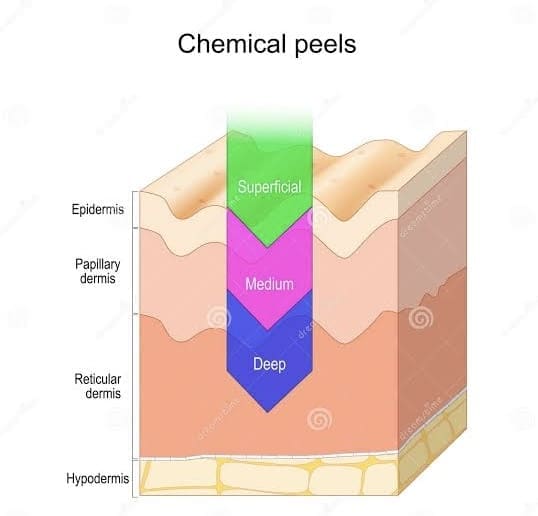
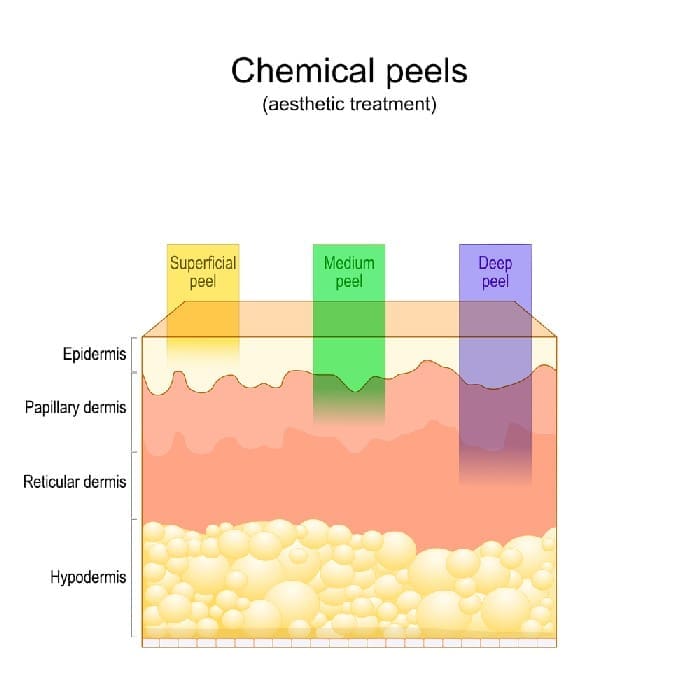
There are many different types of chemical peels and many benefits from this cosmetic treatment. Chemical peels, also known as chemexfoliation, trigger the repair and regeneration process in the epidermis and the dermis, resulting in the remodeling of the skin’s surface. Chemical peels differ in how deeply they penetrate the different layers of skin. The different types of peels are superficial, medium-depth and deep peels. Chemical peels can help with conditions like acne and acne scarring, melasma, hyperpigmentation, sun damage, fine lines and wrinkles, uneven skin tone, and dull skin.

Depending on the type of chemical peel you choose depends on the goal you are trying to achieve, your skin type, and your desired recovery time. The many benefits of chemical peels can include: evening out skin tone, helping with fine lines and wrinkles, decreasing pore size, improving skin texture, stimulating collagen production, brightening dull skin, decreasing sebum or oil production, decreasing sun damage, helping improve skin products to absorb more effectively, and reducing acne and acne scarring.

This treatment is typically preferred to be done in the colder months because during the recovery process, which is about a week, you want to avoid direct sunlight and have minimal sun exposure. The recovery process will vary greatly depending on the type of chemical peel you choose, but for a typical medium-depth peel, you will experience skin shedding for 4-7 days. A post-care packet and instructions will be provided after your procedure to ensure understanding and optimal results. Not everyone is a candidate for a chemical peel, so make sure to have a consultation with your medical provider to ensure the best fit for your skin type and desired results. Healthy skin leads to beautiful skin, and we all deserve to love the skin we are in!

Subscribe to RSS
Secret Link