






































By Bridget Sullivan, PA-C, Coastal Skin Surgery & Dermatology
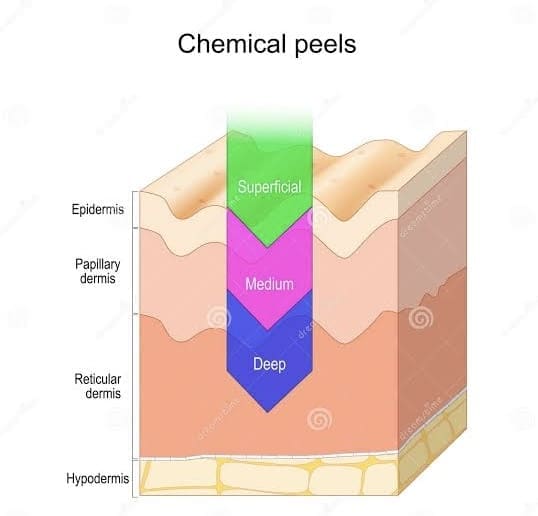
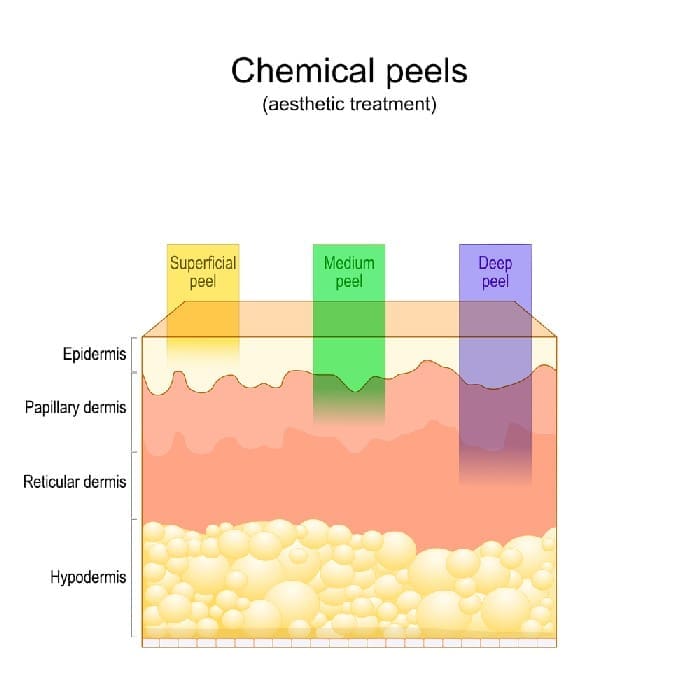
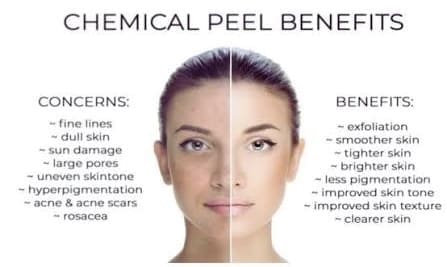
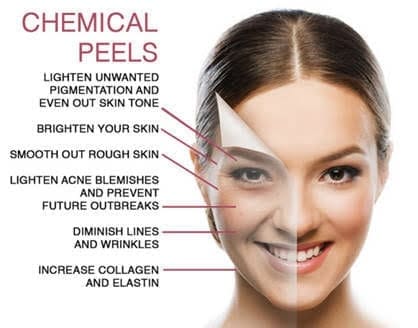
There are many different types of chemical peels and many benefits from this cosmetic treatment. Chemical peels, also known as chemexfoliation, trigger the repair and regeneration process in the epidermis and the dermis, resulting in the remodeling of the skin’s surface. Chemical peels differ in how deeply they penetrate the different layers of skin. The different types of peels are superficial, medium-depth and deep peels. Chemical peels can help with conditions like acne and acne scarring, melasma, hyperpigmentation, sun damage, fine lines and wrinkles, uneven skin tone, and dull skin.
Depending on the type of chemical peel you choose depends on the goal you are trying to achieve, your skin type, and your desired recovery time. The many benefits of chemical peels can include: evening out skin tone, helping with fine lines and wrinkles, decreasing pore size, improving skin texture, stimulating collagen production, brightening dull skin, decreasing sebum or oil production, decreasing sun damage, helping improve skin products to absorb more effectively, and reducing acne and acne scarring.
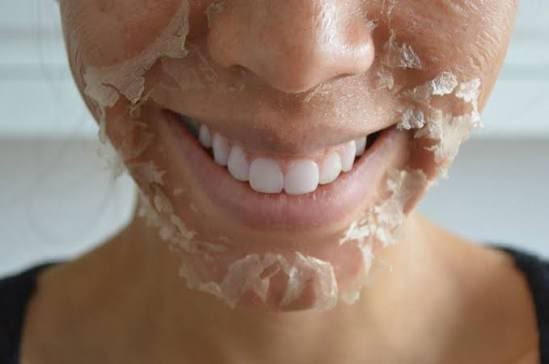
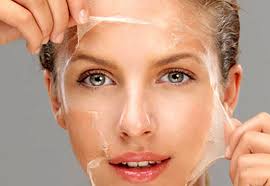
This treatment is typically preferred to be done in the colder months because during the recovery process, which is about a week, you want to avoid direct sunlight and have minimal sun exposure. The recovery process will vary greatly depending on the type of chemical peel you choose, but for a typical medium-depth peel, you will experience skin shedding for 4-7 days. A post-care packet and instructions will be provided after your procedure to ensure understanding and optimal results. Not everyone is a candidate for a chemical peel, so make sure to have a consultation with your medical provider to ensure the best fit for your skin type and desired results. Healthy skin leads to beautiful skin, and we all deserve to love the skin we are in!
 RSS
RSS