





































By Lauren Goldsby
As February settles in, cold weather can still surprise North Florida gardeners. While recent warm days may feel like an early start to spring, late-winter cold snaps are a normal part of our weather pattern in the Florida Panhandle.
This time of year often brings large temperature swings as cold fronts move through the region. Plants may begin breaking dormancy during warm spells, only to be exposed to freezing temperatures when the next front arrives. These conditions can affect landscapes differently depending on location. Areas closer to the coast or large bodies of water tend to stay warmer overnight, while inland and northern parts of the county often experience colder temperatures.
Light frosts around 32°F usually cause minimal damage to most established landscape plants. Greater concern comes when temperatures drop below about 28°F for several hours, which is considered a hard freeze. Hard freezes can damage tender growth, flowers, and shallow root systems, even on otherwise healthy plants.
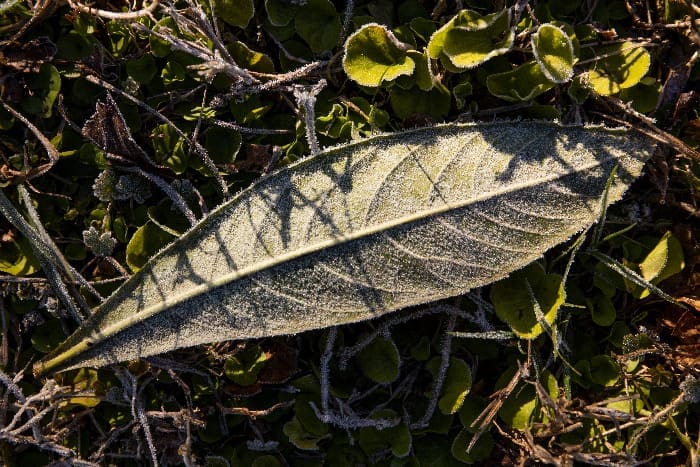
If a hard freeze is forecast for your area, preparation can make a difference. UF/IFAS recommends focusing on protecting plant roots, which are more vulnerable to cold than above-ground growth. If soil is dry, watering earlier in the day can help retain heat, but avoid leaving water on leaves overnight. Cover sensitive plants before temperatures drop, making sure covers reach the ground to trap warmth from the soil. If wind or plant size limits coverage, prioritize protecting the lower portion of the plant.
It’s also important to keep perspective. Many plants in North Florida have evolved to handle short periods of cold and have been gradually acclimating throughout the winter. Temporary damage to flowers or new growth doesn’t always mean a plant is lost. In many cases, leaves and stems remain healthy and will recover as temperatures warm.
An Equal Opportunity Institution. UF/IFAS Extension, University of Florida, Institute of Food and Agricultural Sciences, Andra Johnson, Dean. Single copies of UF/IFAS Extension publications (excluding 4-H and youth publications) are available free to Florida residents from county UF/IFAS Extension offices. Contact our office at (850) 248-8091 or email legoldsby@ufl.edu. Follow us on Facebook @bayifas and Instagram @ufifasbay.
 RSS
RSS