


















By Bridget Sullivan, PA-C, Coastal Skin Surgery and Dermatology PCB

There are many growths on our skin with varied sizes, shapes, and colors. My hope for this article is to enlighten you on some of the common growths that many patients ask about in the clinic. I have included pictures of these growths along with a brief description and explanation as to why they appear on the skin. All lesions discussed below are benign, meaning they are non-cancerous. It is important to note that this article is not a substitute for getting a skin cancer screening. Many cancerous lesions can look like these lesions, and it is important to get a dermatology provider to examine your skin for skin cancer prevention and early detection.
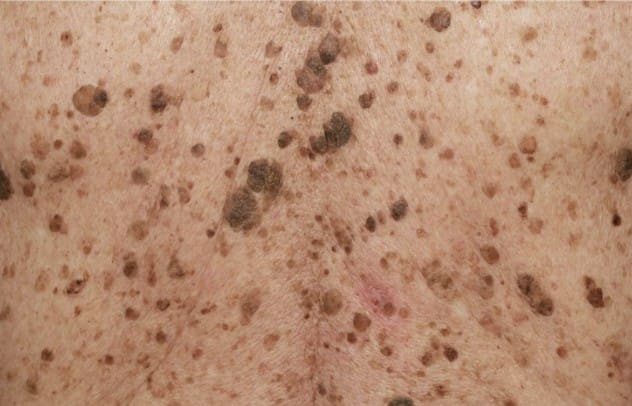
- Seborrheic Keratosis
These benign growths are often described as velvety or waxy “stuck on” growths that can appear on almost any part of the body. They come in varied sizes and shapes. They can appear black, brown, and skin colored. It is not completely understood why they appear, but aging and genetics are considered to be contributing factors.
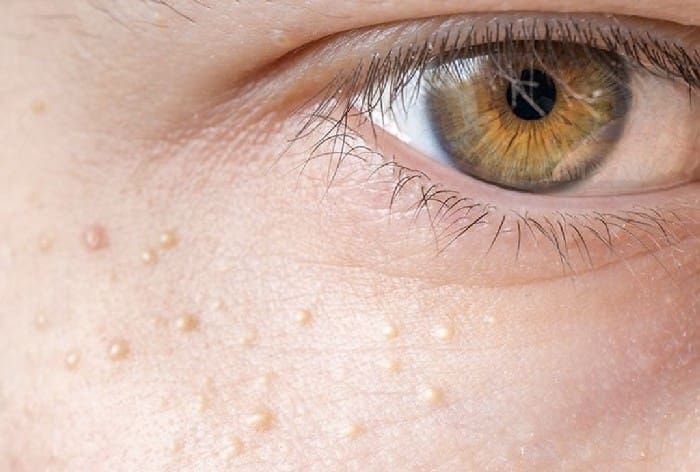
- Milia
These are small, firm white bumps underneath the skin that are filled with dead skin cells (keratin). You can think of milia as a tiny cyst. Some causes of milia include occlusive skin care, skin type, lack of exfoliation, and sun damage. They can appear anywhere on the body but are commonly seen on the face.
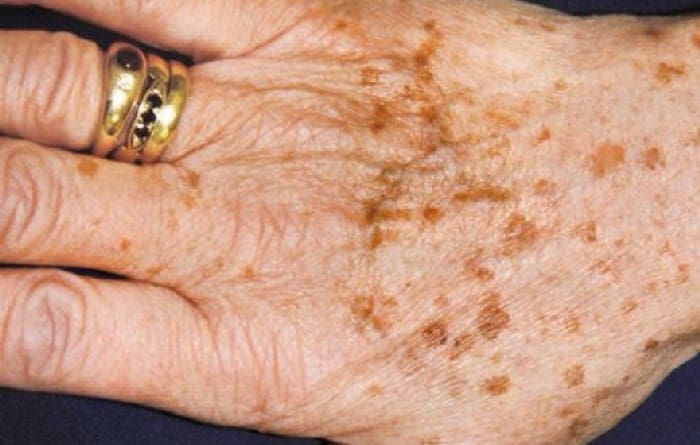
- Solar Lentigo
A solar lentigo, or lentigines are flat, well-defined brown pigmented spots on the skin caused by an increased number of pigment-producing cells (melanocytes) and/or increased melanin production. These are also known as sunspots caused by cumulative UV exposure. These lesions are common on the face, hands, chest, and arms.
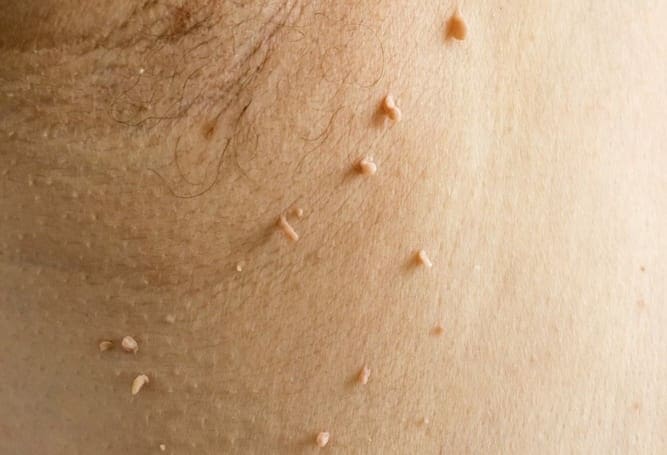
- Skin Tags
Skin tags are small, soft flesh-colored growths. They are commonly seen in sites of friction, including the neck, armpits, groin, and skin folds. Some factors that can contribute to the development of skin tags include friction, genetics, obesity, and hormonal changes. Please do not try to remove these at home.
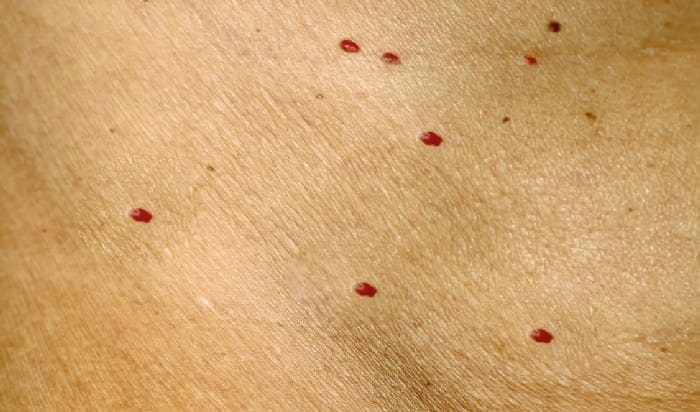
- Cherry Angiomas
These are small, bright red or purple growths that are filled with many small blood vessels. They are quite common and can appear anywhere on the body. The causes of these red bumps include genetics, aging, and hormonal changes.
Many common skin growths do not require treatment. However, if you notice any bump or growth that is changing, itching, bleeding, painful, and not healing, it is important to get these lesions evaluated, as these could be signs of skin cancer. It is important to get a skin cancer screening at least once a year for prevention and early detection of skin cancer.
I hope this article gave clarity and insight into common growths seen growing on the skin. Avoid self-diagnosing any growth or lesions you may have on your skin.
As always, please reach out to your dermatology provider with any questions or concerns regarding your skin health.
 RSS